26 July 2024
The Pilbara covers 507,896 square kilometres, running north from the Tropic of Capricorn to Port Headland, and west all the way to the NT border.
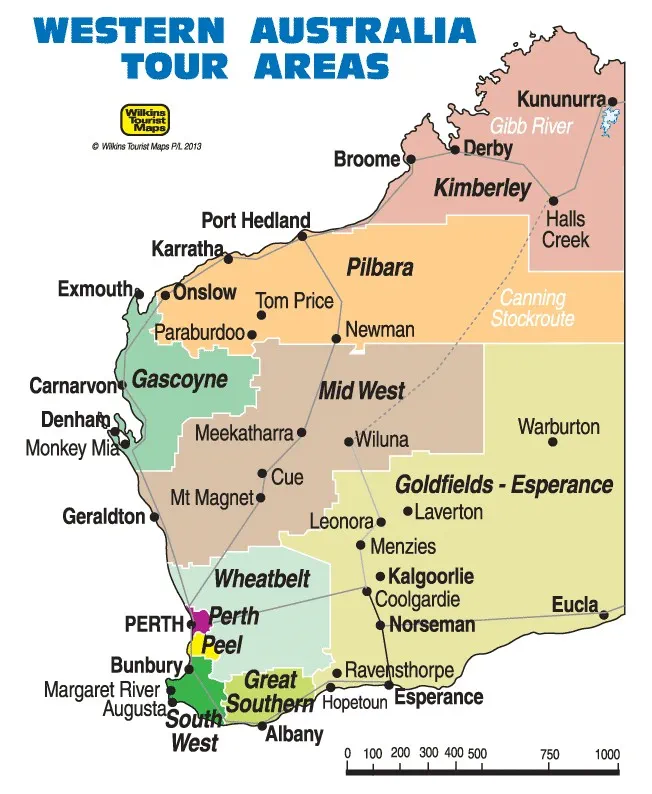
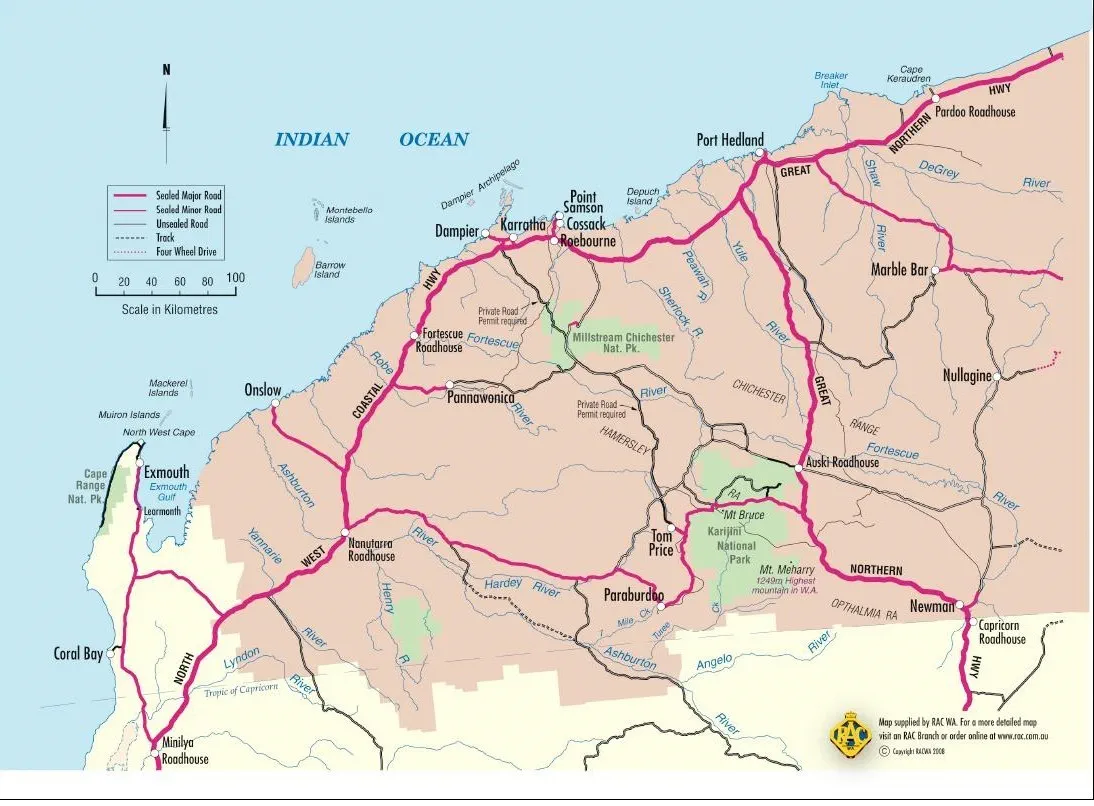
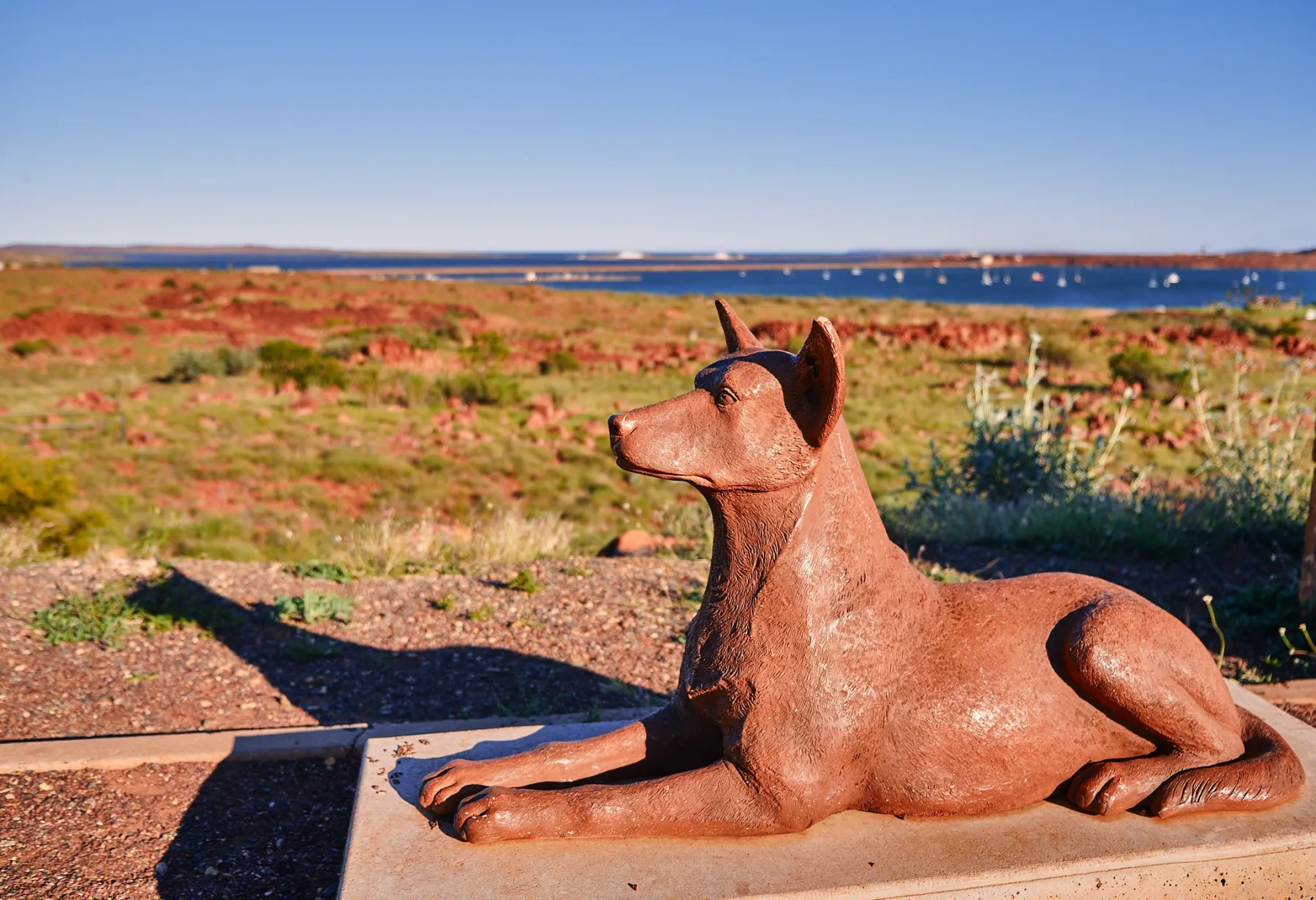
We spent around 12 days in the Pilbara, which has left a quite deep impression on me. It is certainly big, with a lot of distance between things — and pretty crap coffee — but it is truly beautiful. We watched the movie Red Dog just before arriving in Karratha, as well as listening to the ABC Conversations podcast My father, Karratha, and me (definitely worth a listen). Both stories unveil the Pilbara as a place people escape to, for whatever reason, then fall in love with it. While I definitely don’t want to live in the Pilbara, I am sad to see that it and its beautiful landscapes have disappeared from our rear vision mirror.
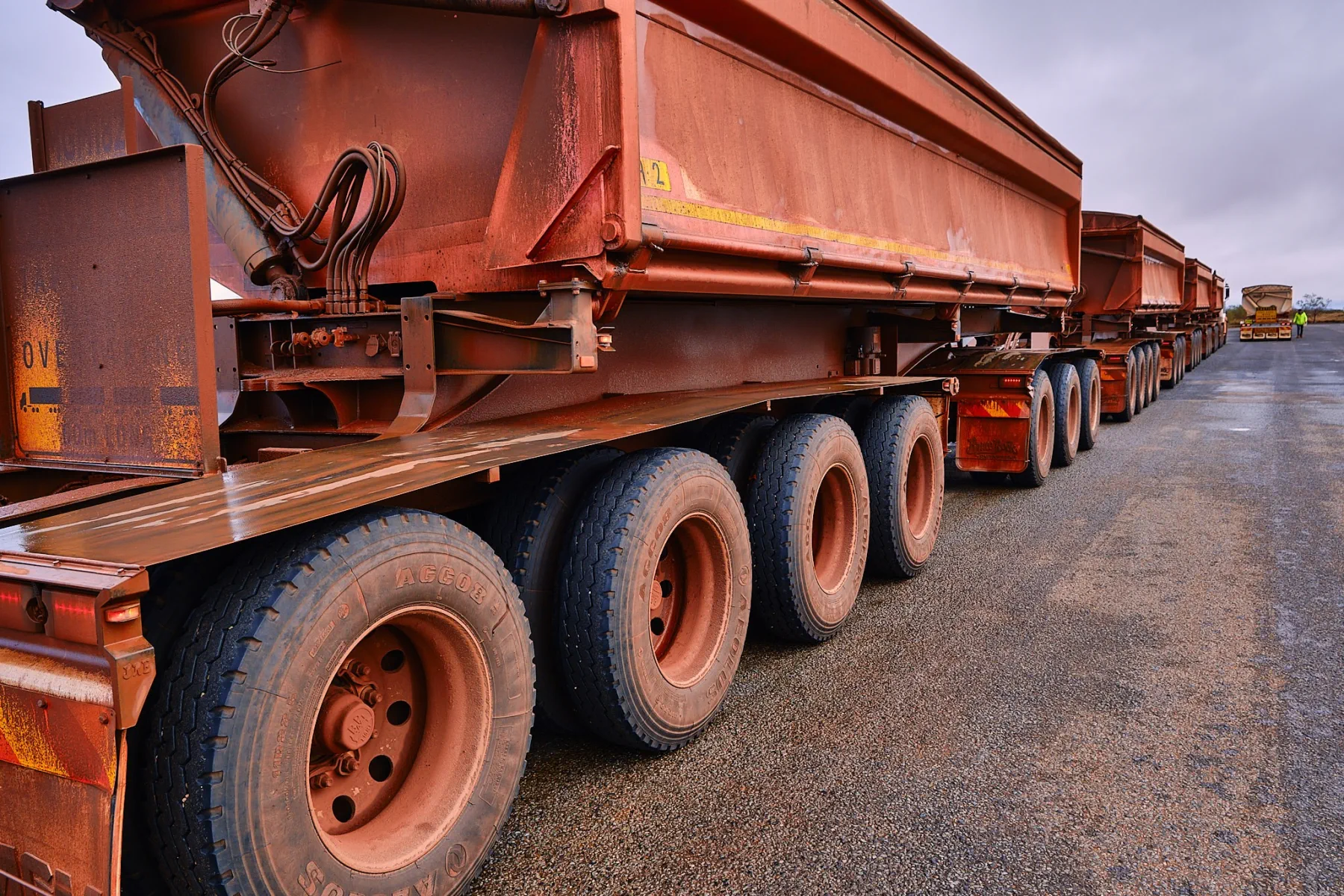
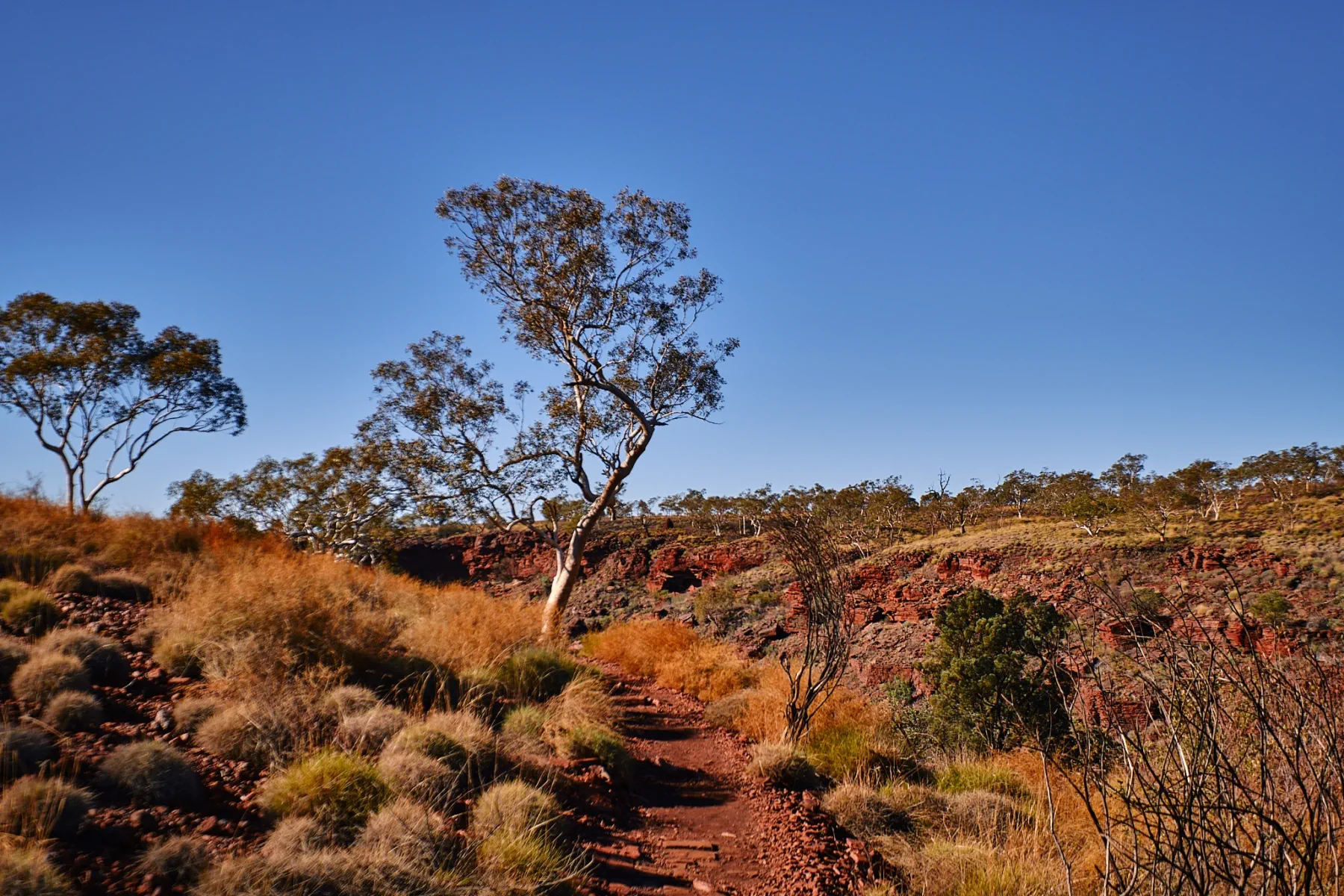
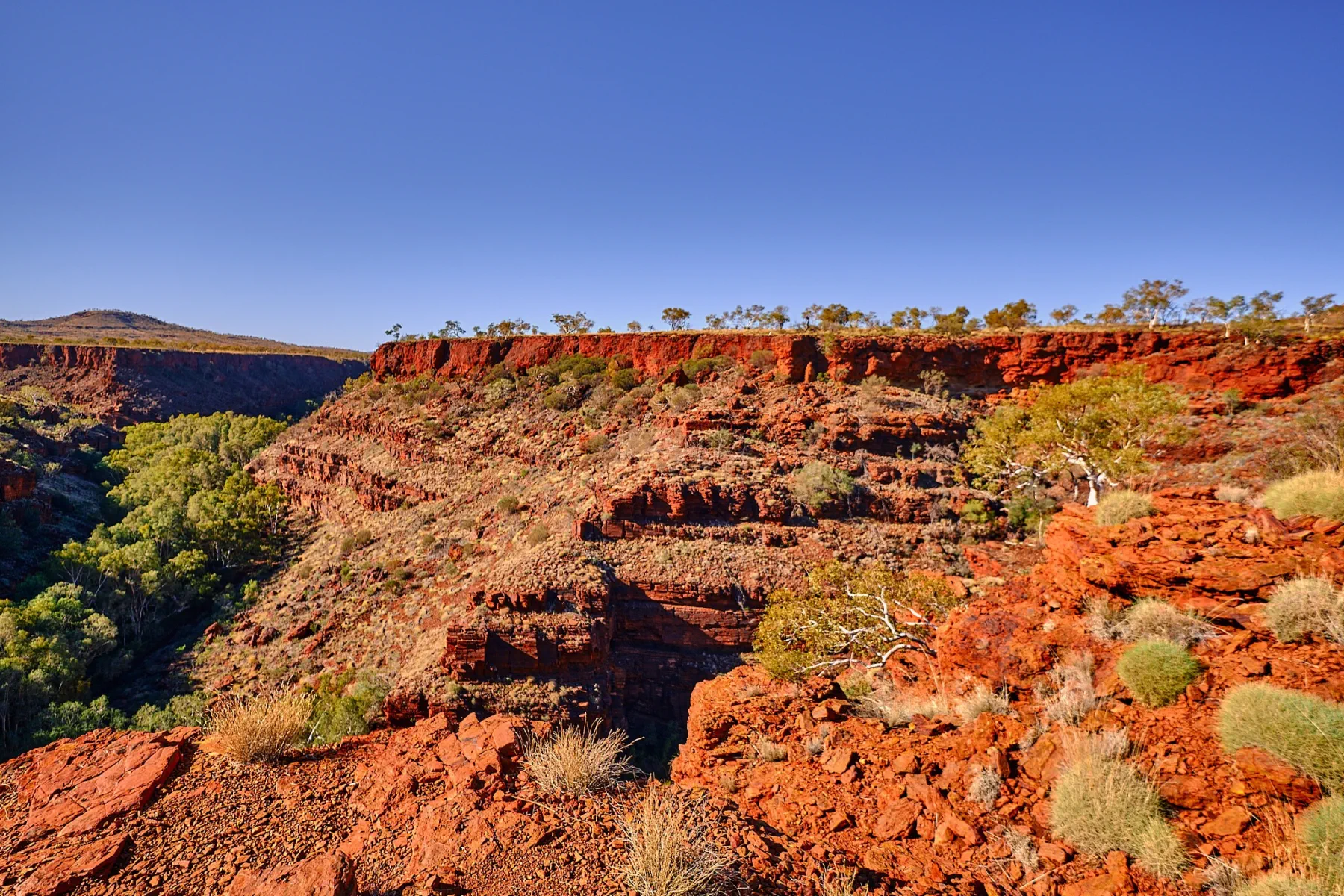
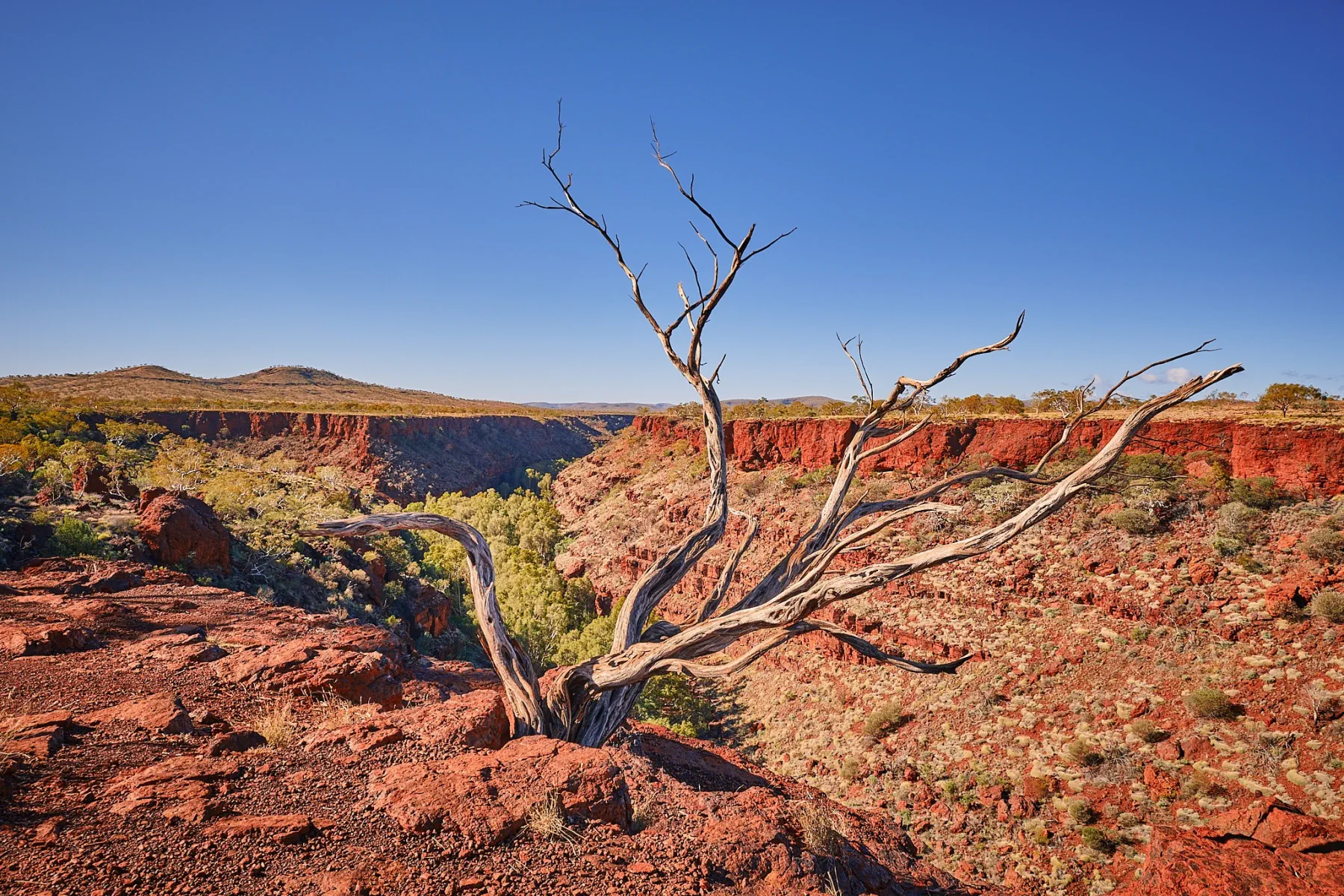
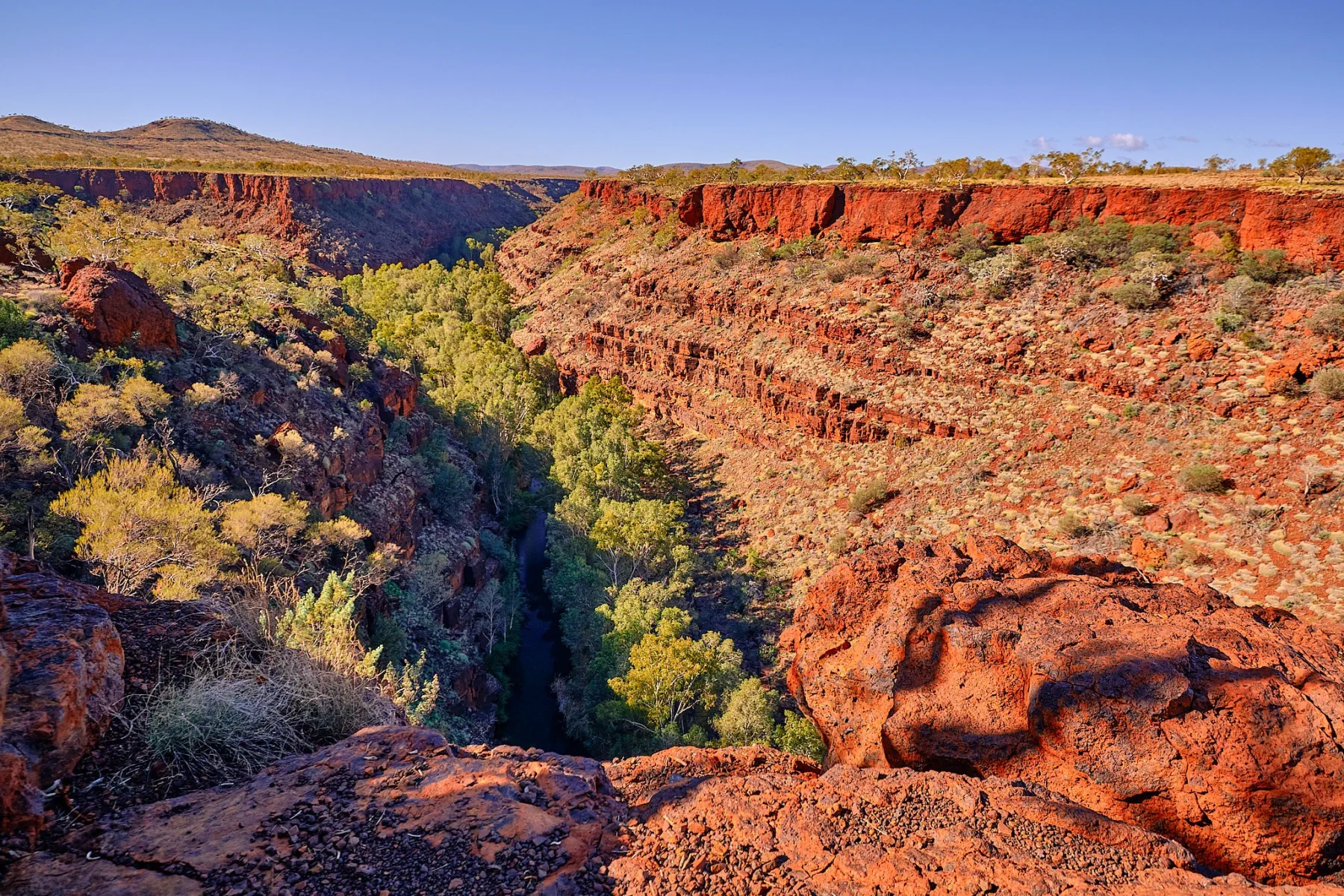
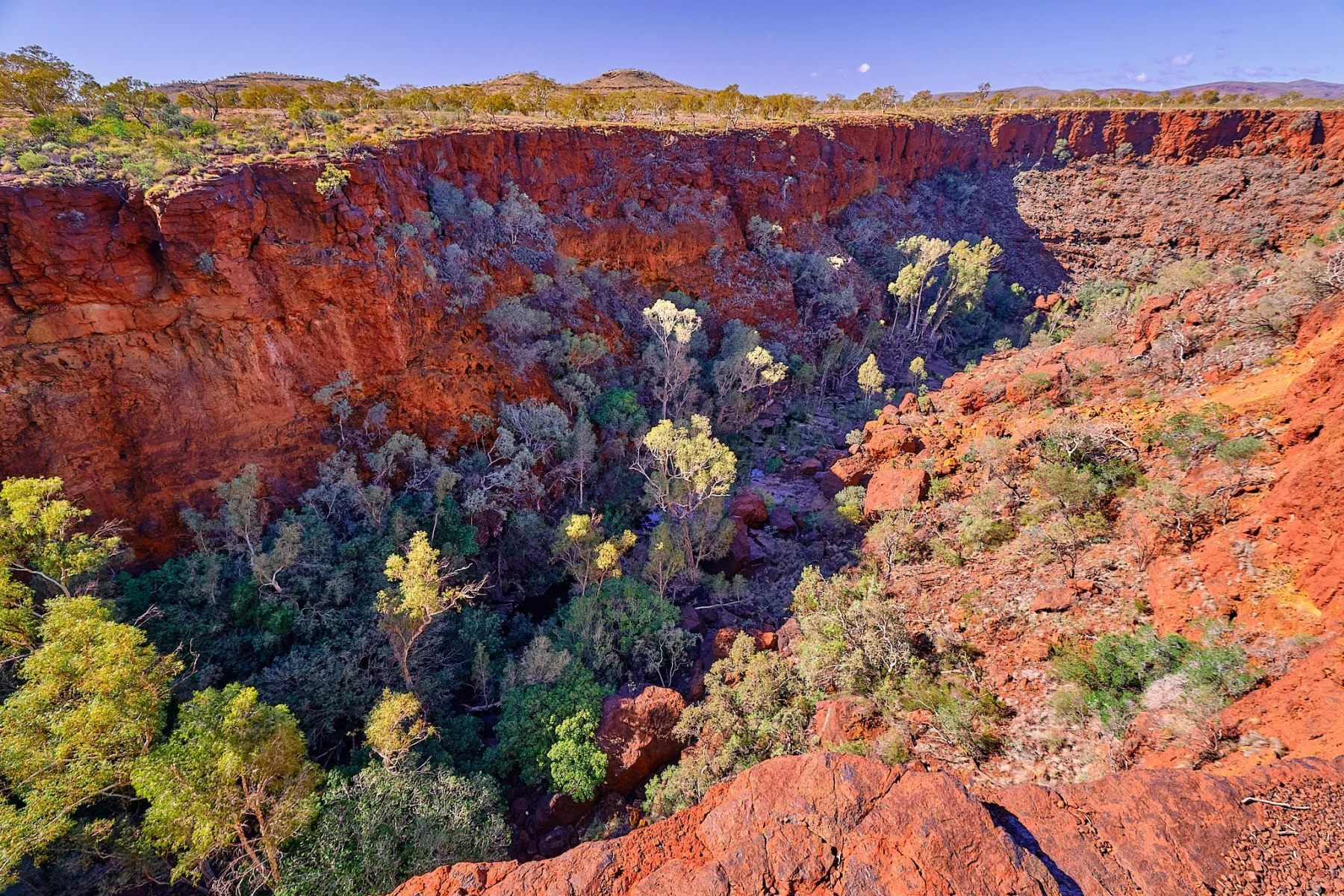
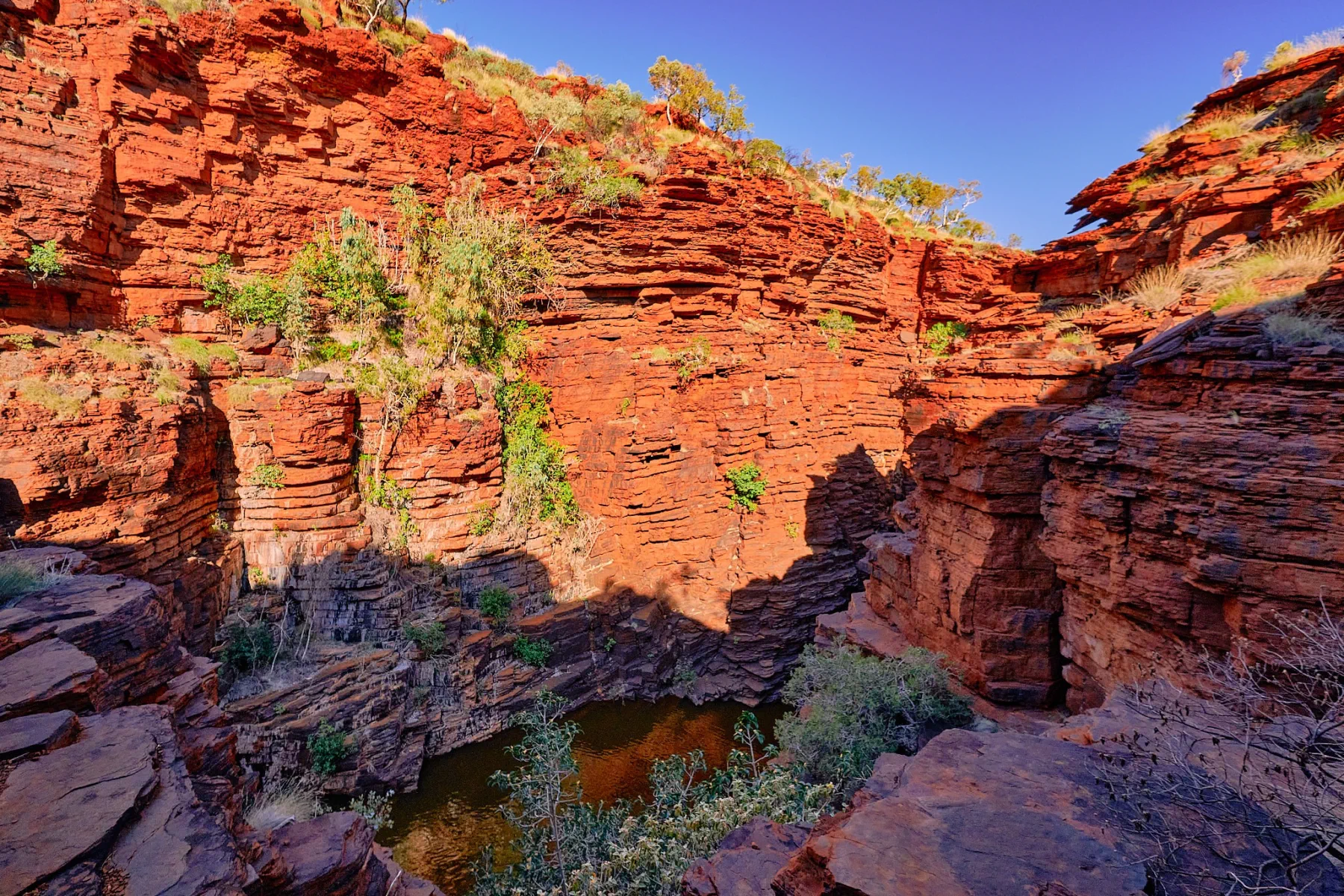
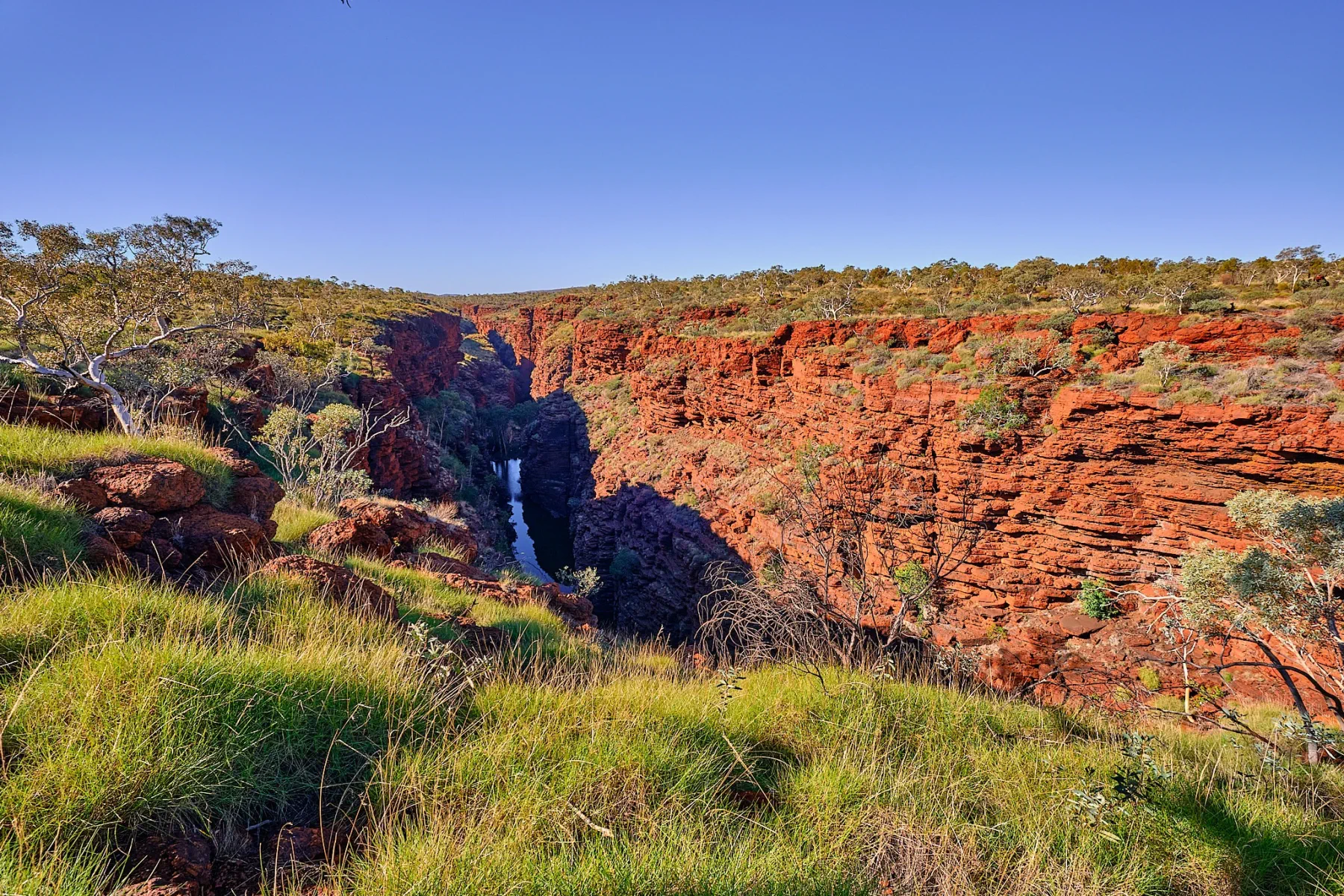
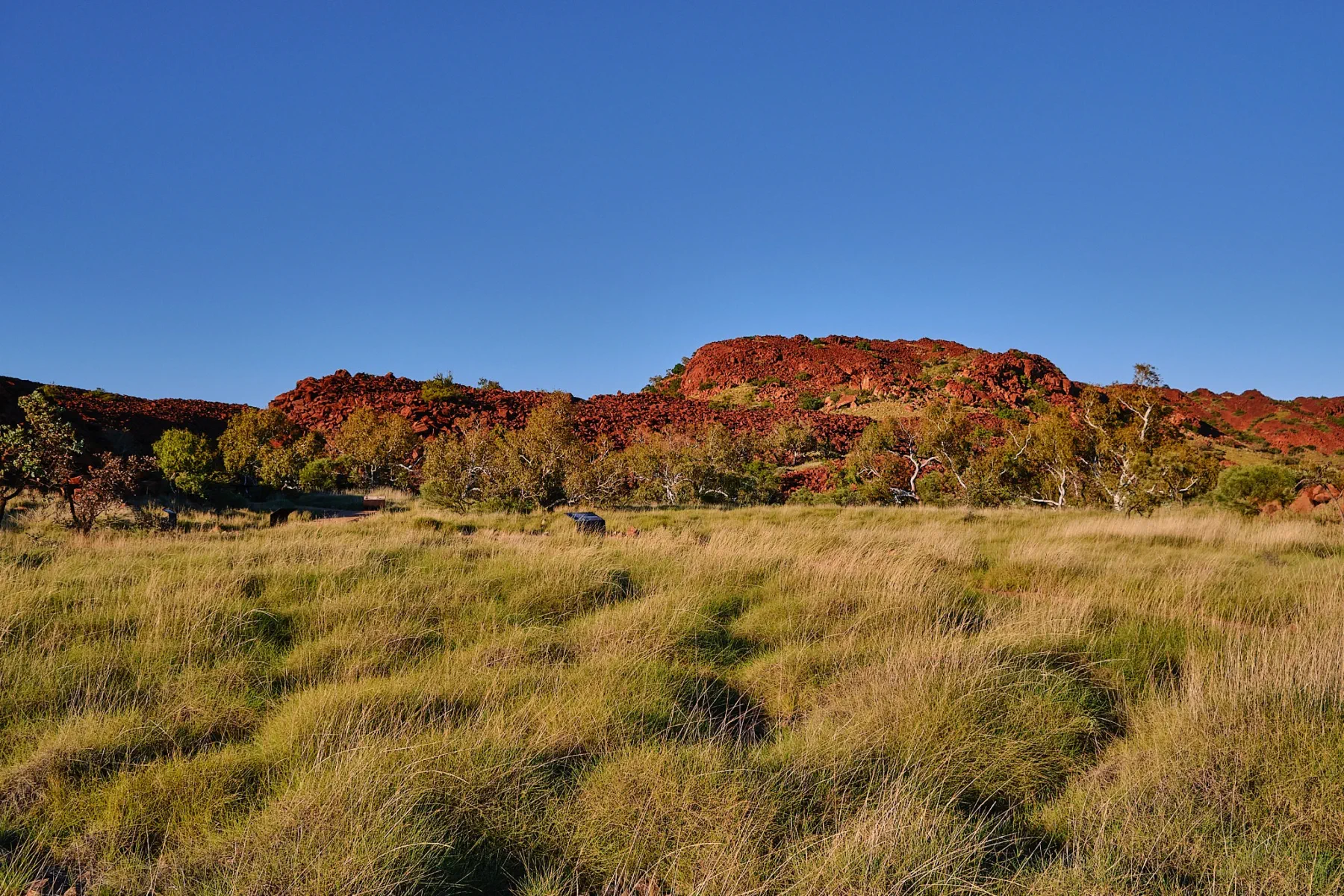
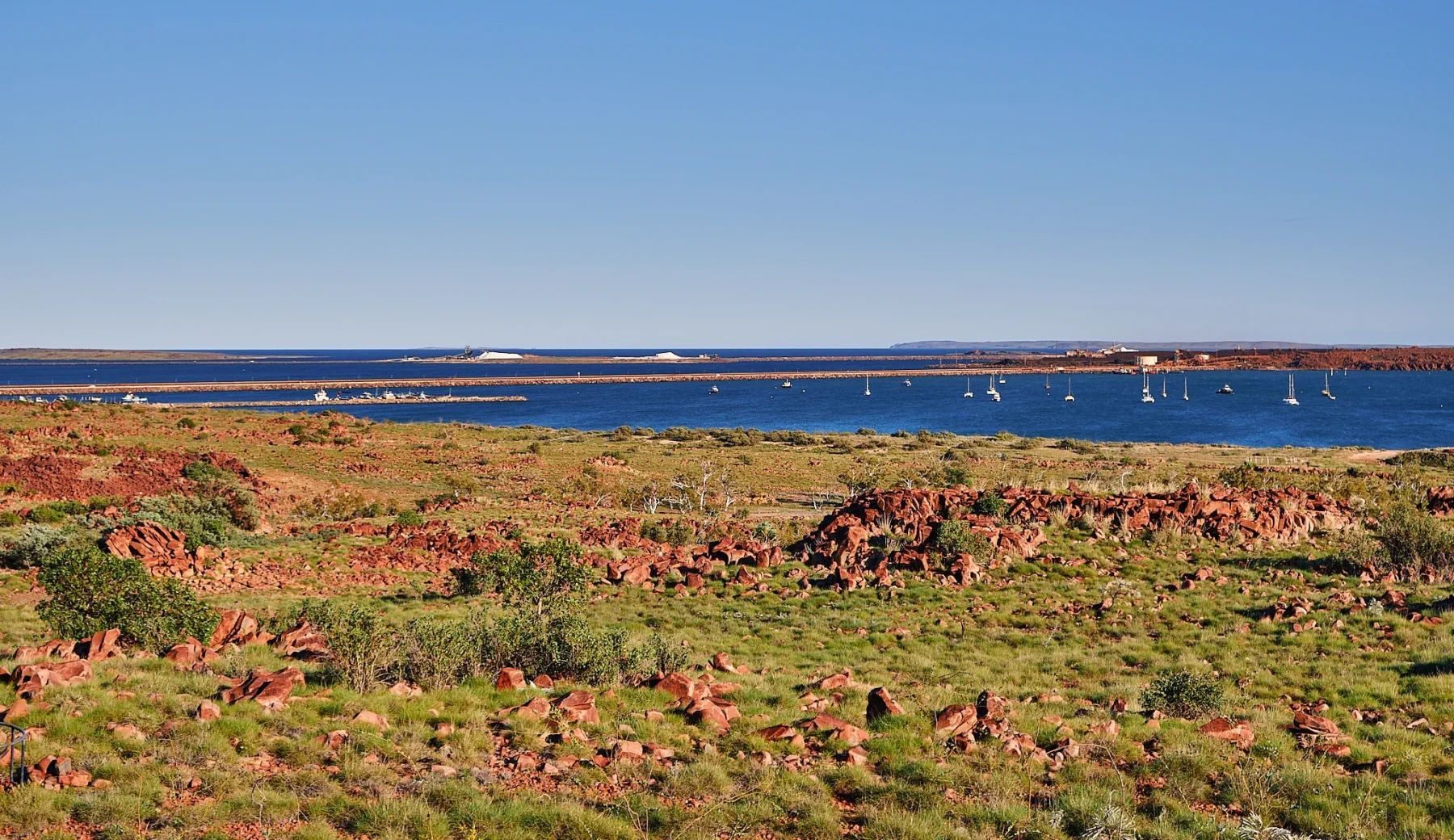
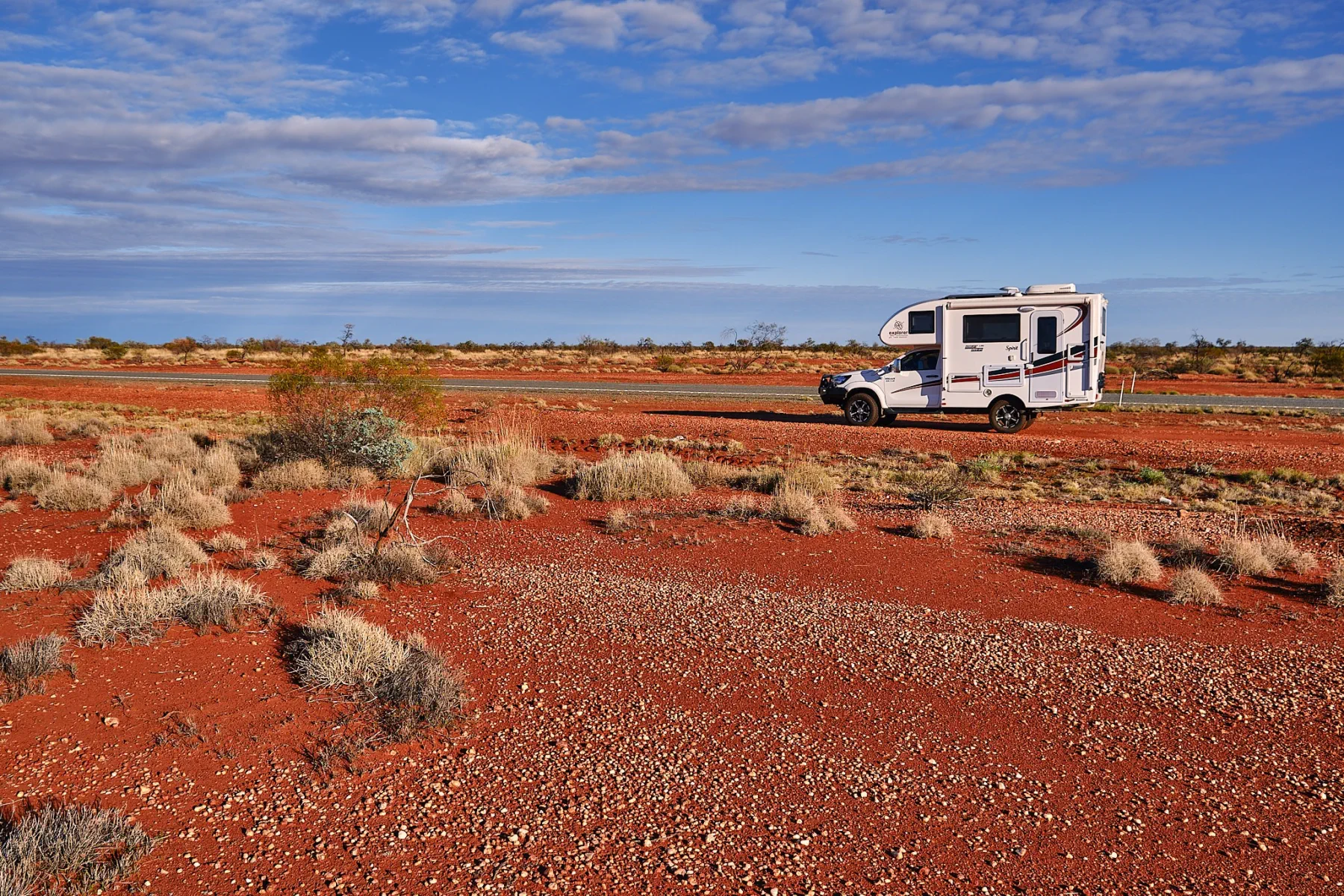
As the passage below notes, the red dust is everywhere, and everything seems red. However, seeing the rising or setting sun hit these ancient landscapes is truly magnificent.
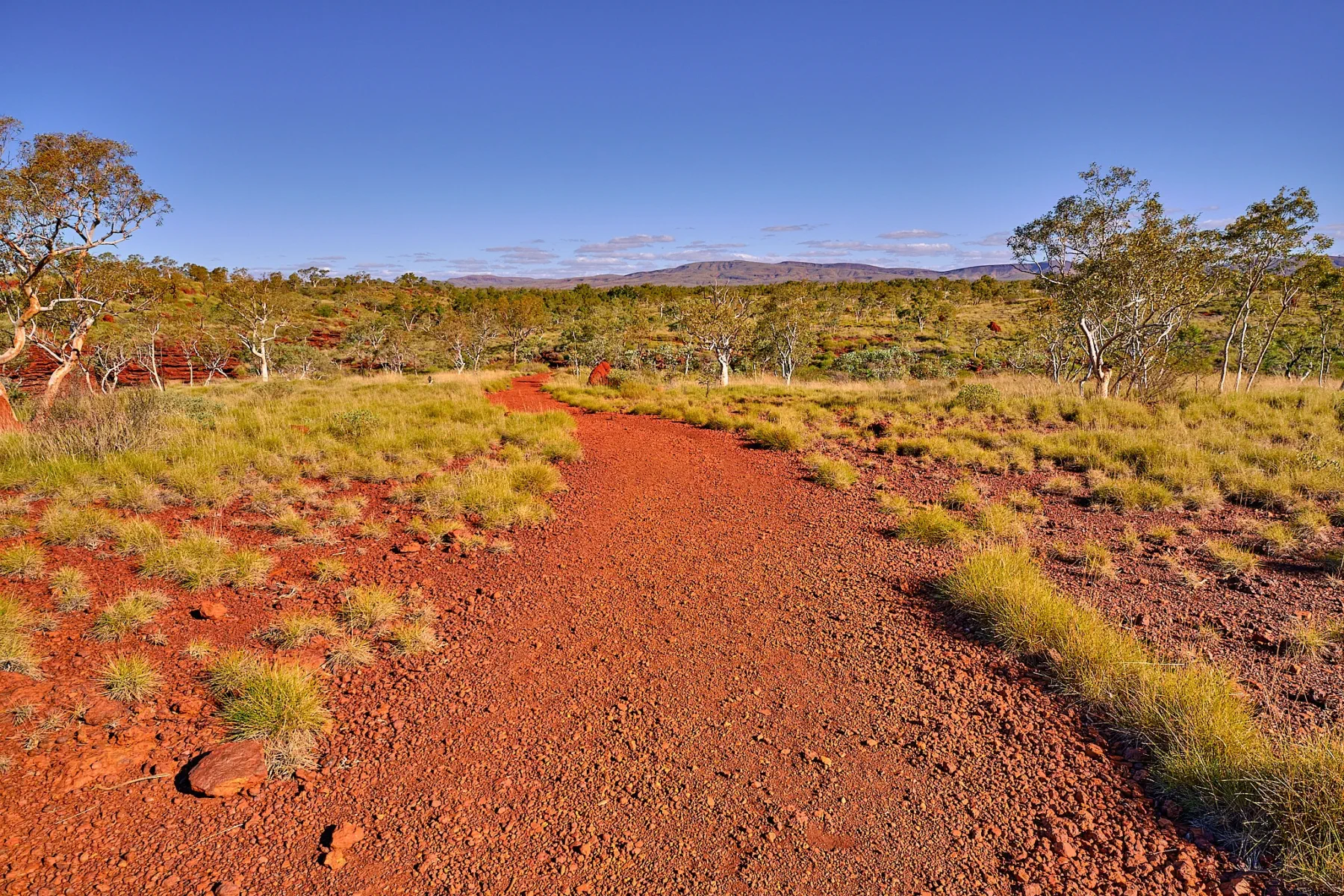
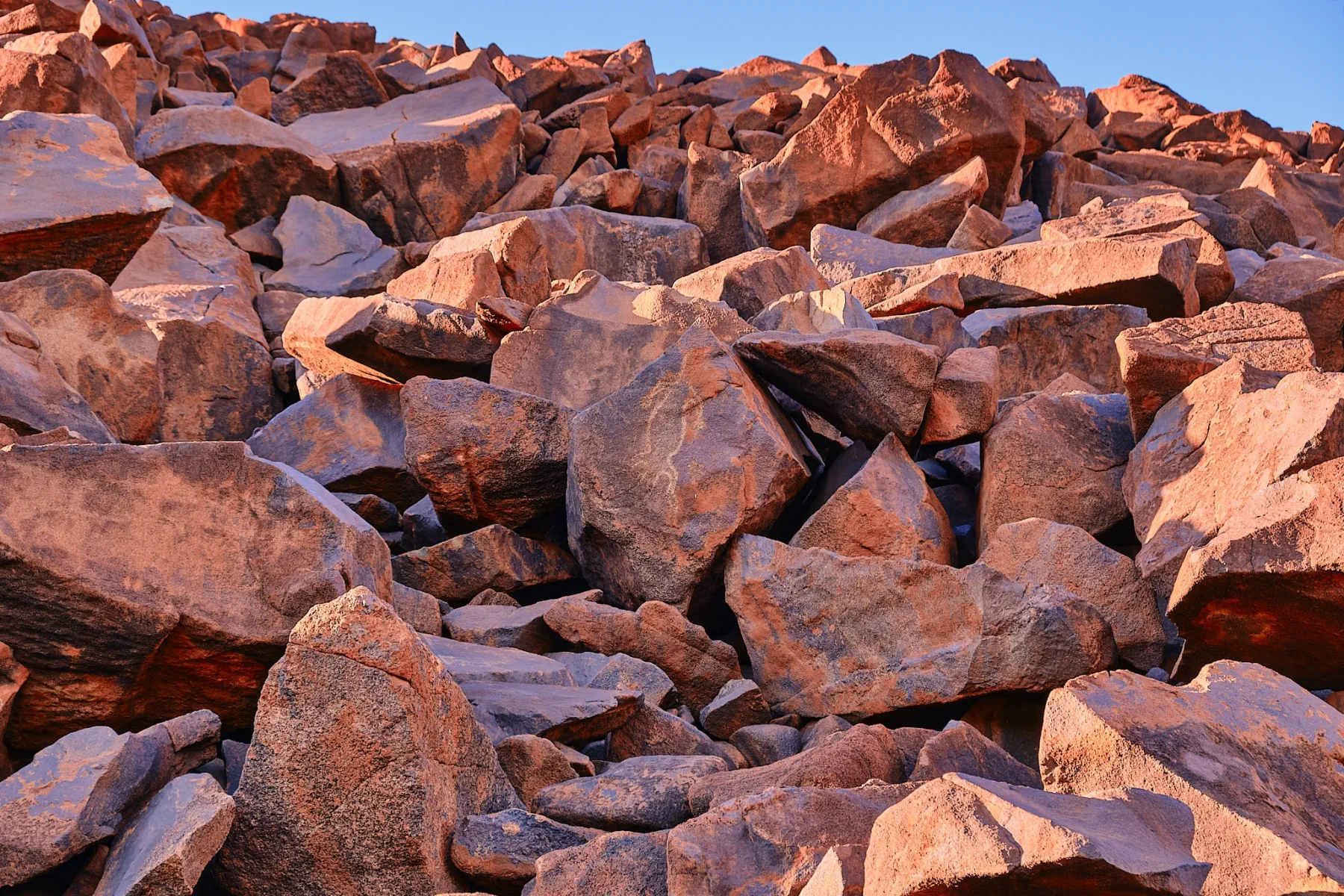
There’s no avoiding the red dust of the Pilbara’s rusting rocks. It coats the landscape, infiltrates your clothes and hair and clads your skin, its metallic aroma rising with the morning’s heavy dew.
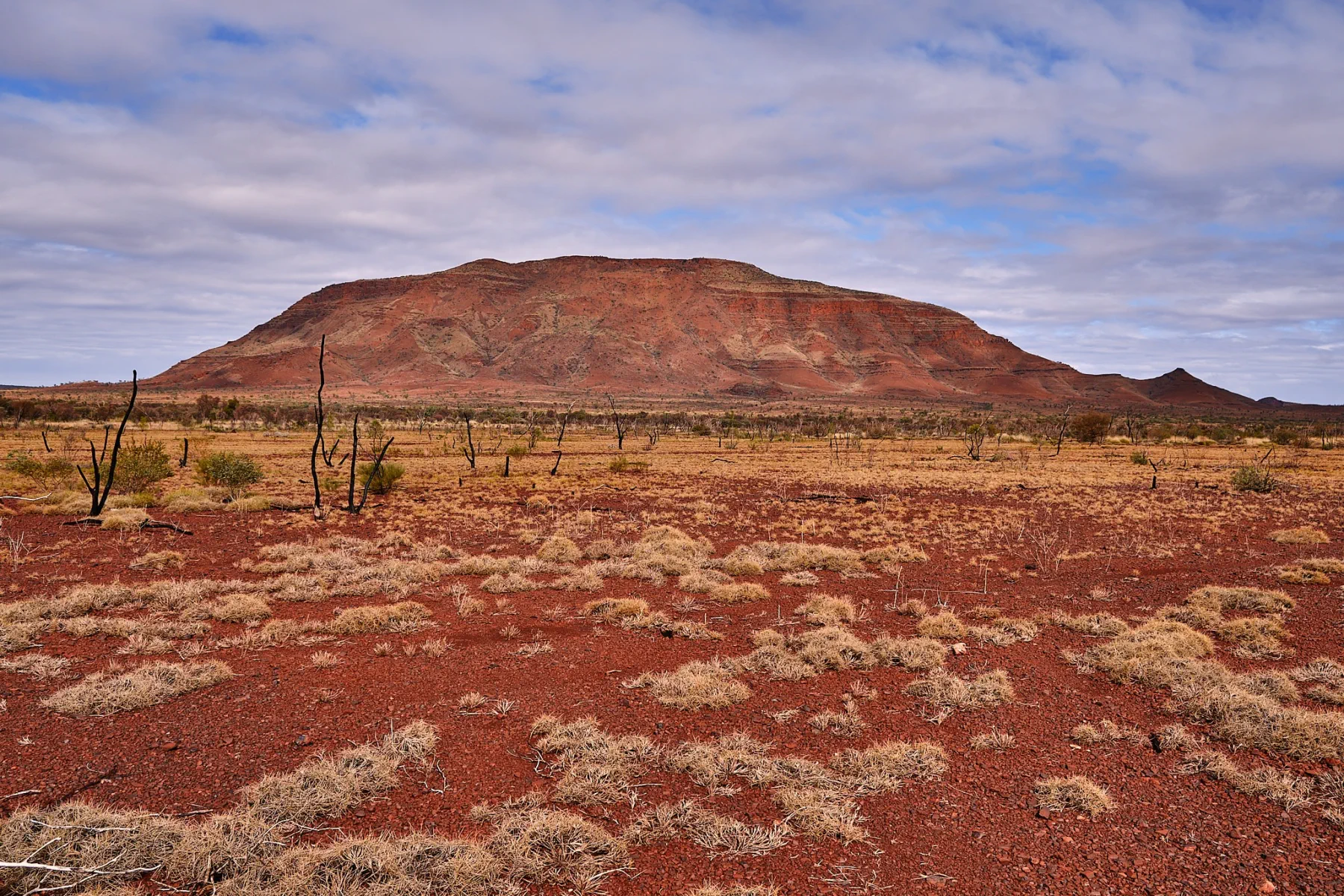
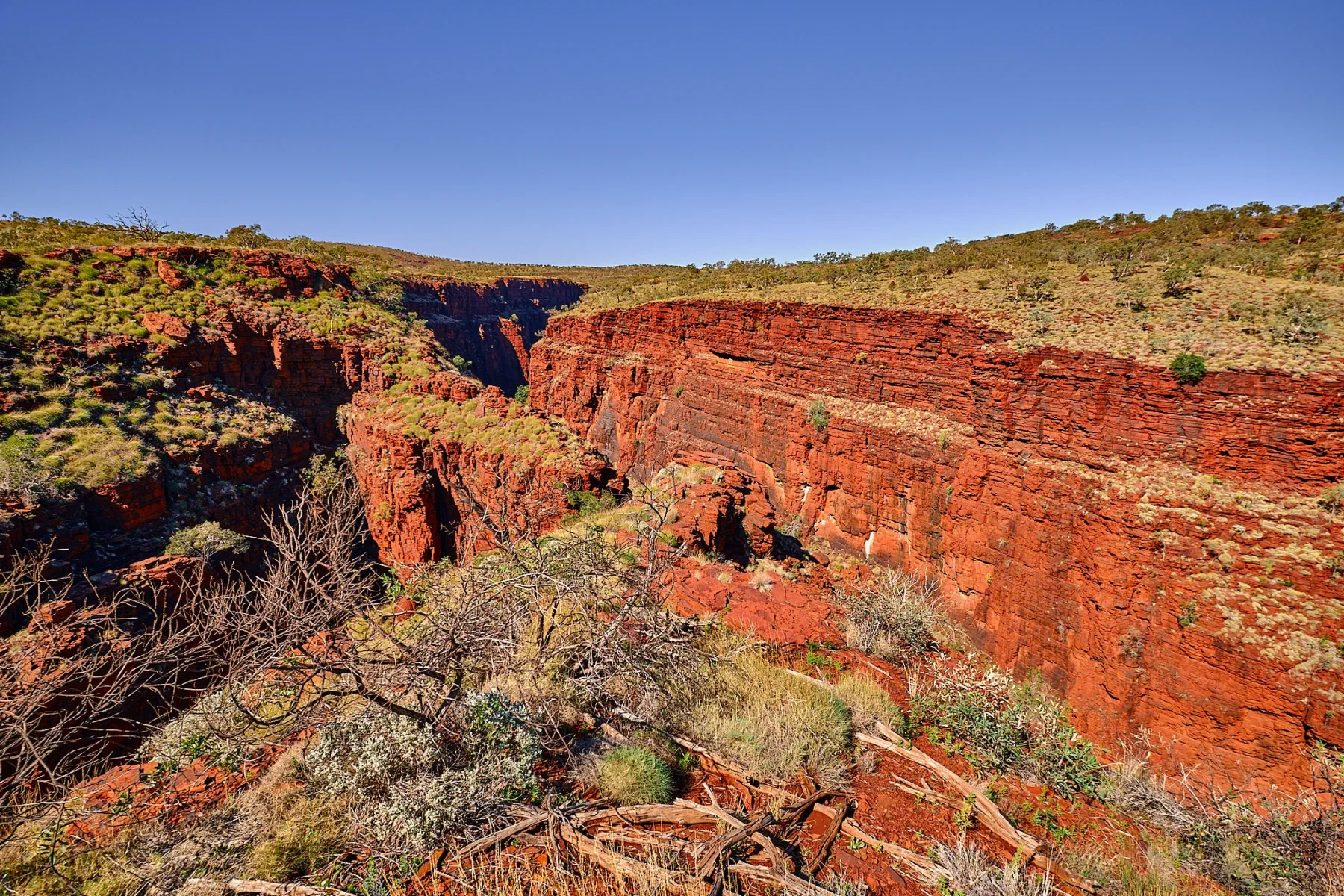
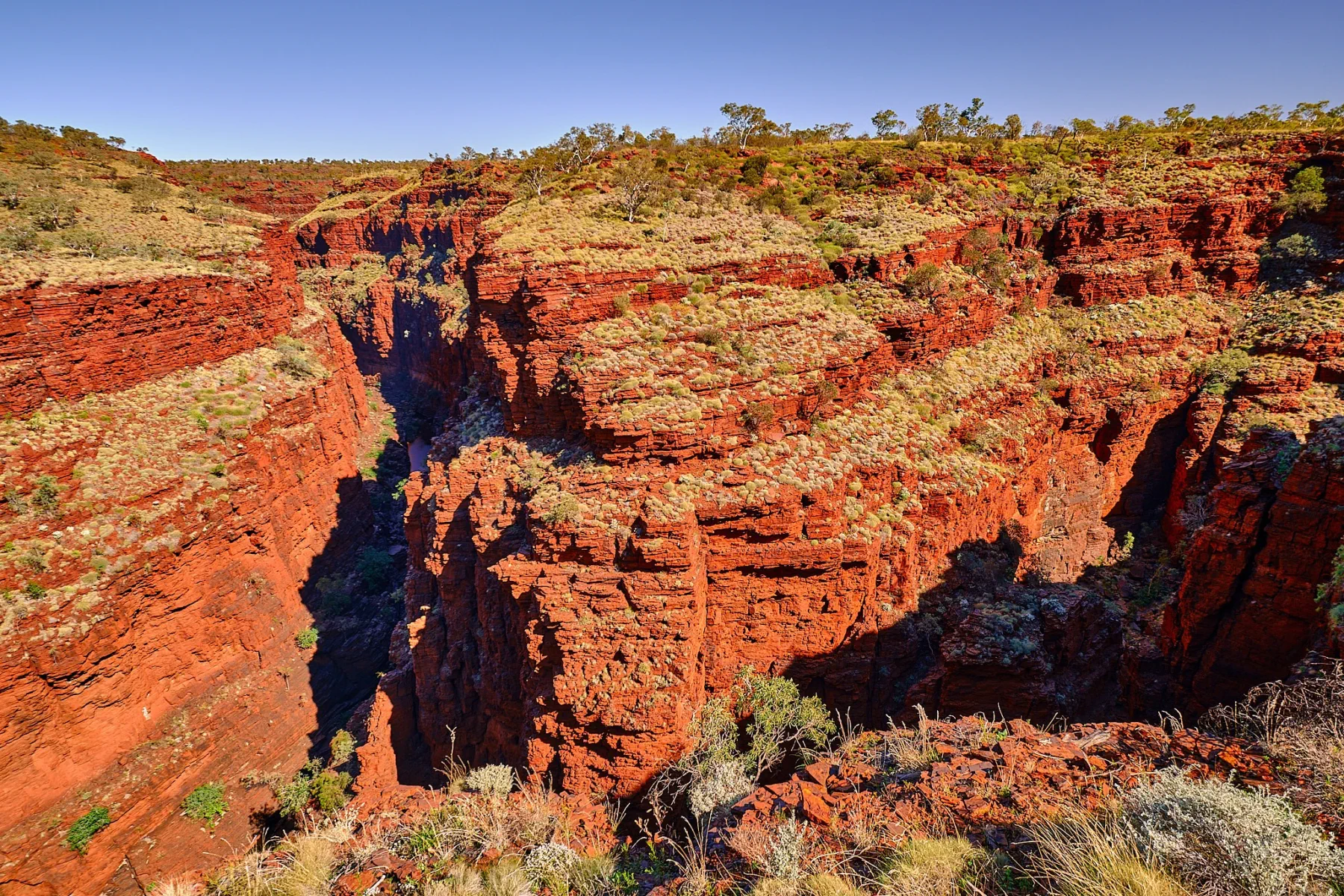
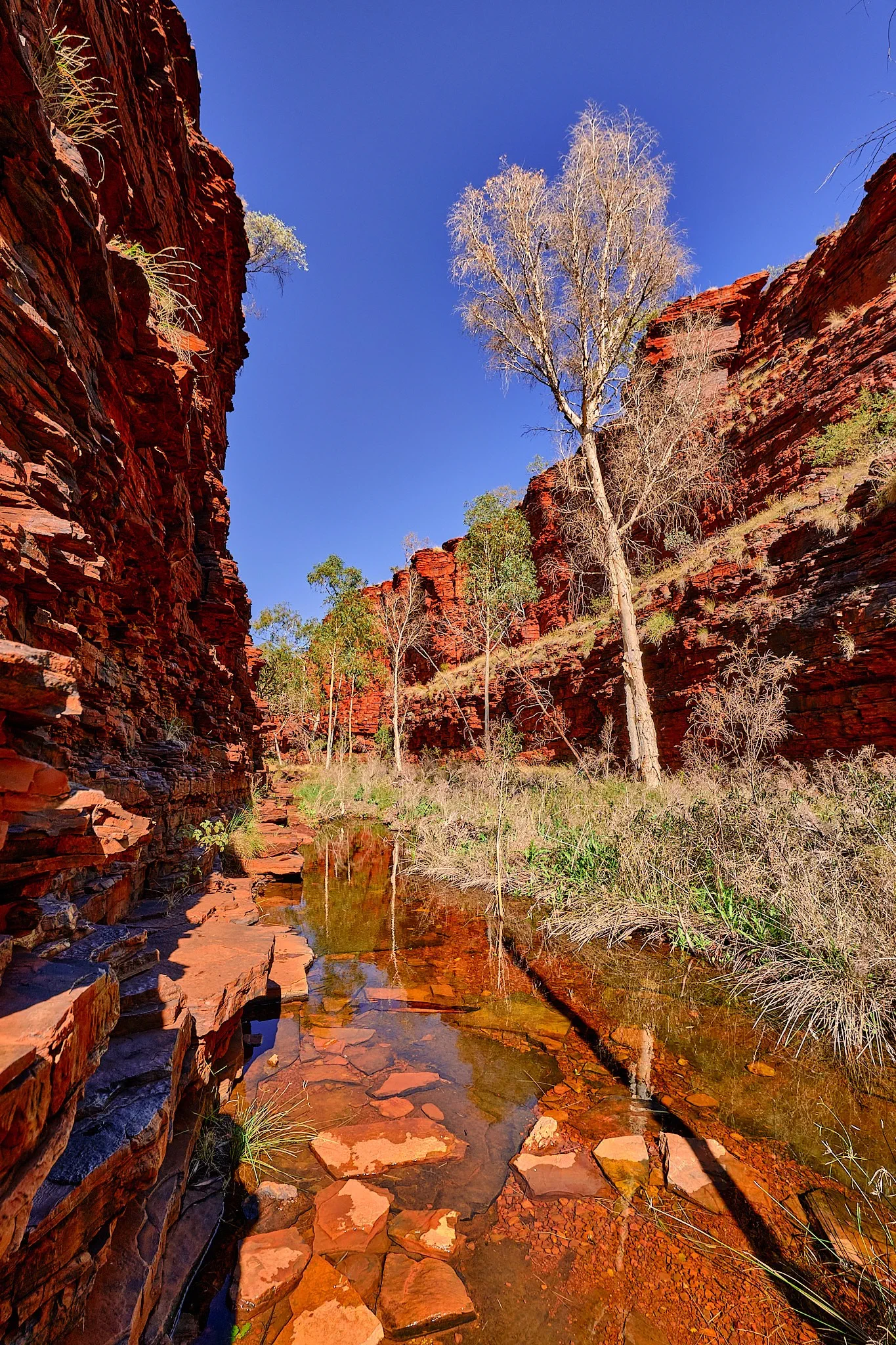
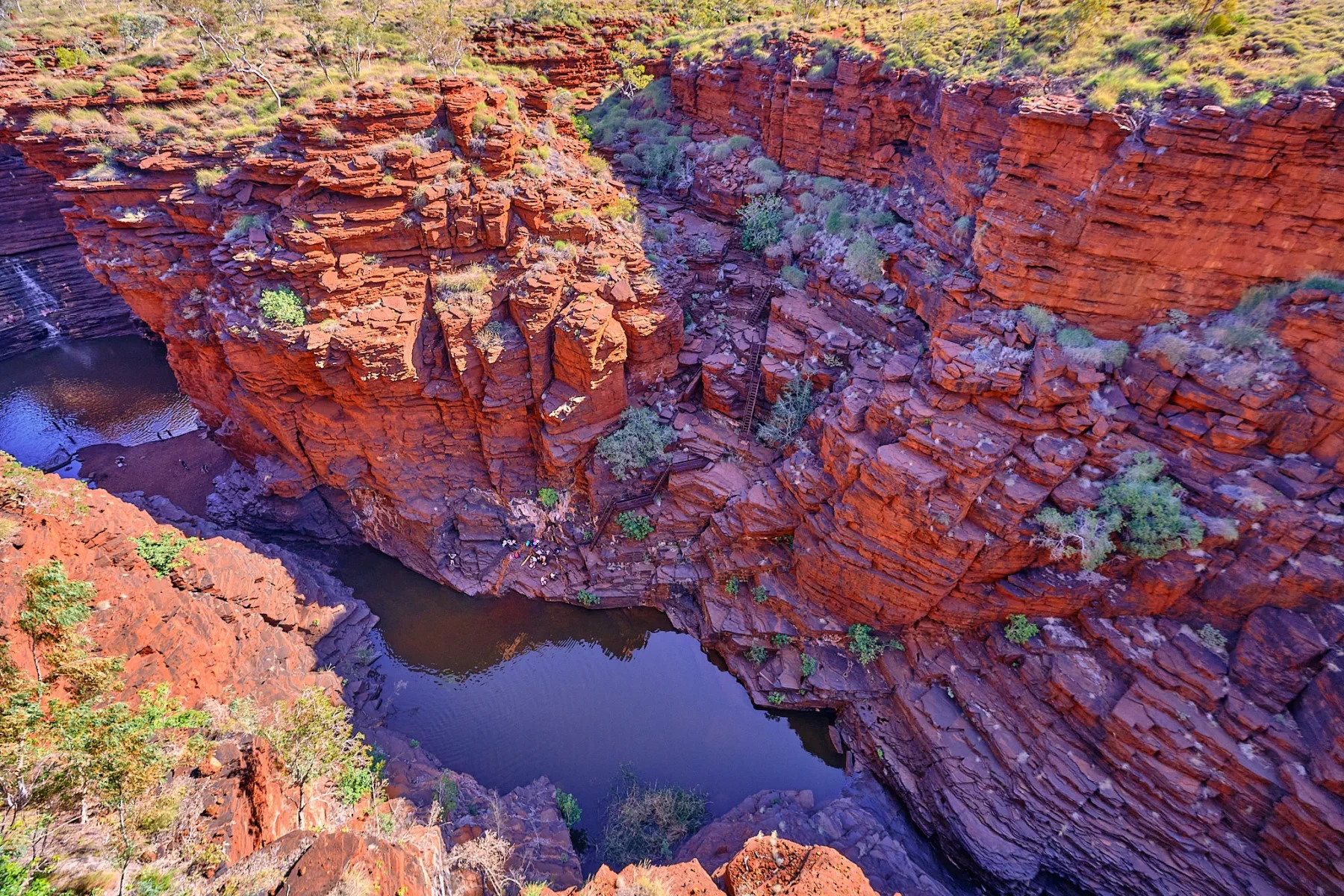
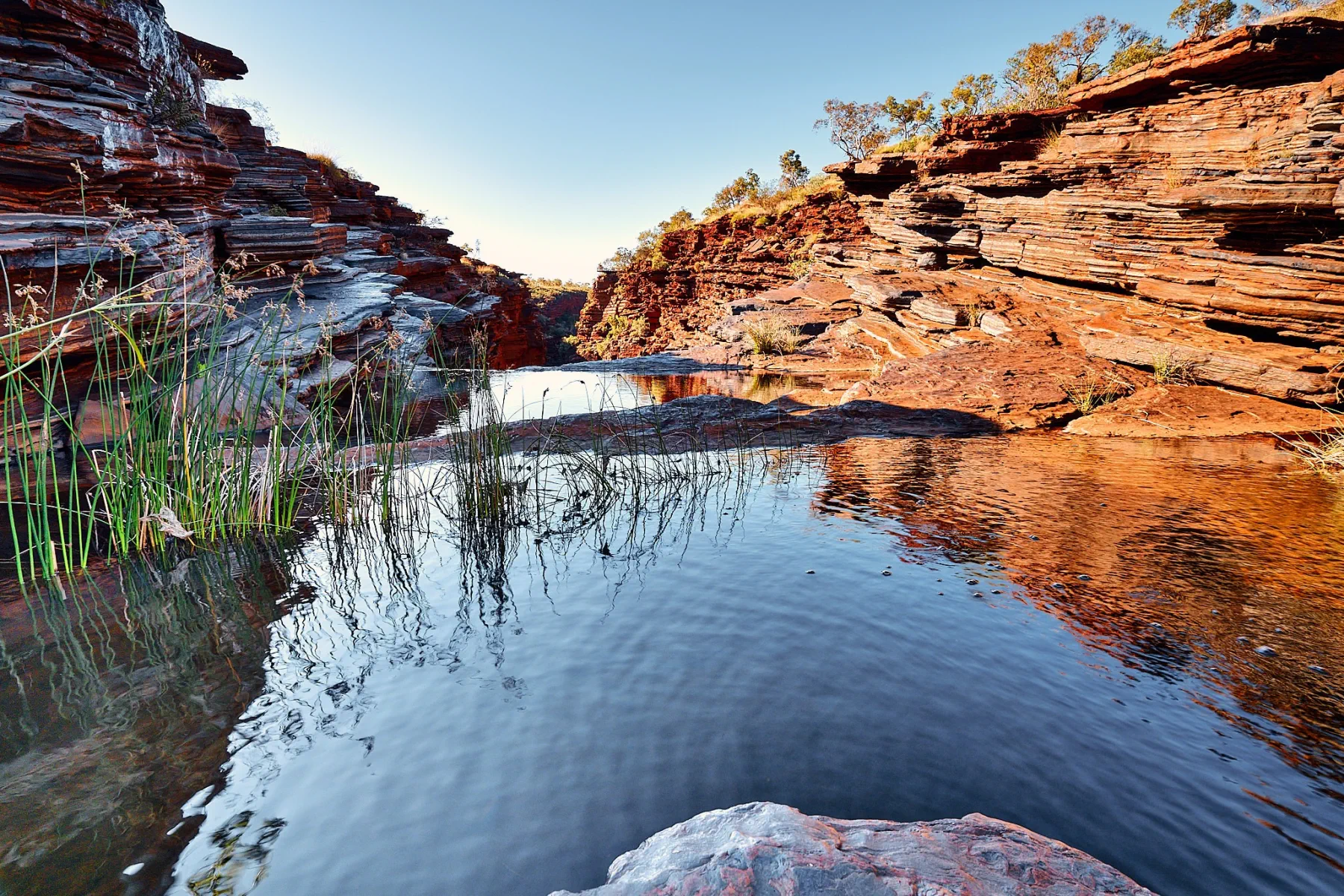
These rocks contain the huge iron-ore deposits that have underpinned the region’s economic development since the 1960s. Geologically, they’re known as ancient banded iron formations (BIFs) – layers rich with quartz and iron ore – that were deposited as silt, mud and clay up to 3.2 billion years ago around the edges and floor of primordial oceans. Their alternating stripes of red, separated by black, grey and sometimes even blue or green shales and cherts, adorn the Pilbara like massive geological artworks. And they form a row of iron-rich hills, the Hamersley Range, that runs for almost 500km.
The Pilbara’s BIFs lie over one of the oldest, most intact, sections of the Earth’s crust: the mostly granite and greenstone Pilbara Craton, which is thought to have formed 3.6 billion years ago – not long after the Earth’s formation. (Welcome to the Pilbara, Australian Geographic, 2021)
Everyone should try to see the Pilbara, as it can’t be appreciated properly in videos and photos.
Nonetheless, here’s a short video montage put together from the Dash Cam video highlights that Nicole has been diligently noting as we drive, then downloading each night so that we don’t lose them as the video card keeps getting overwritten. Thanks so much Nicole!
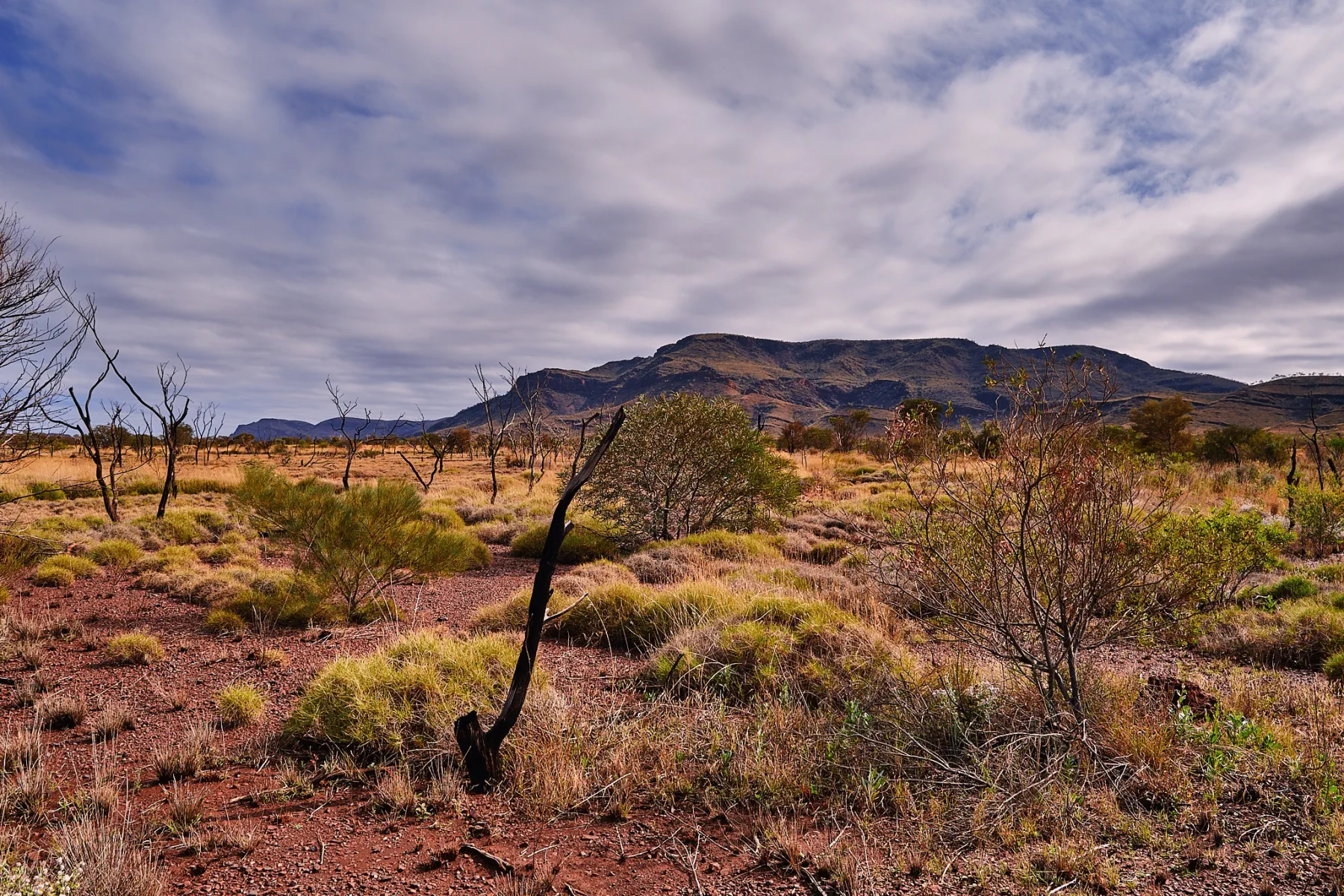
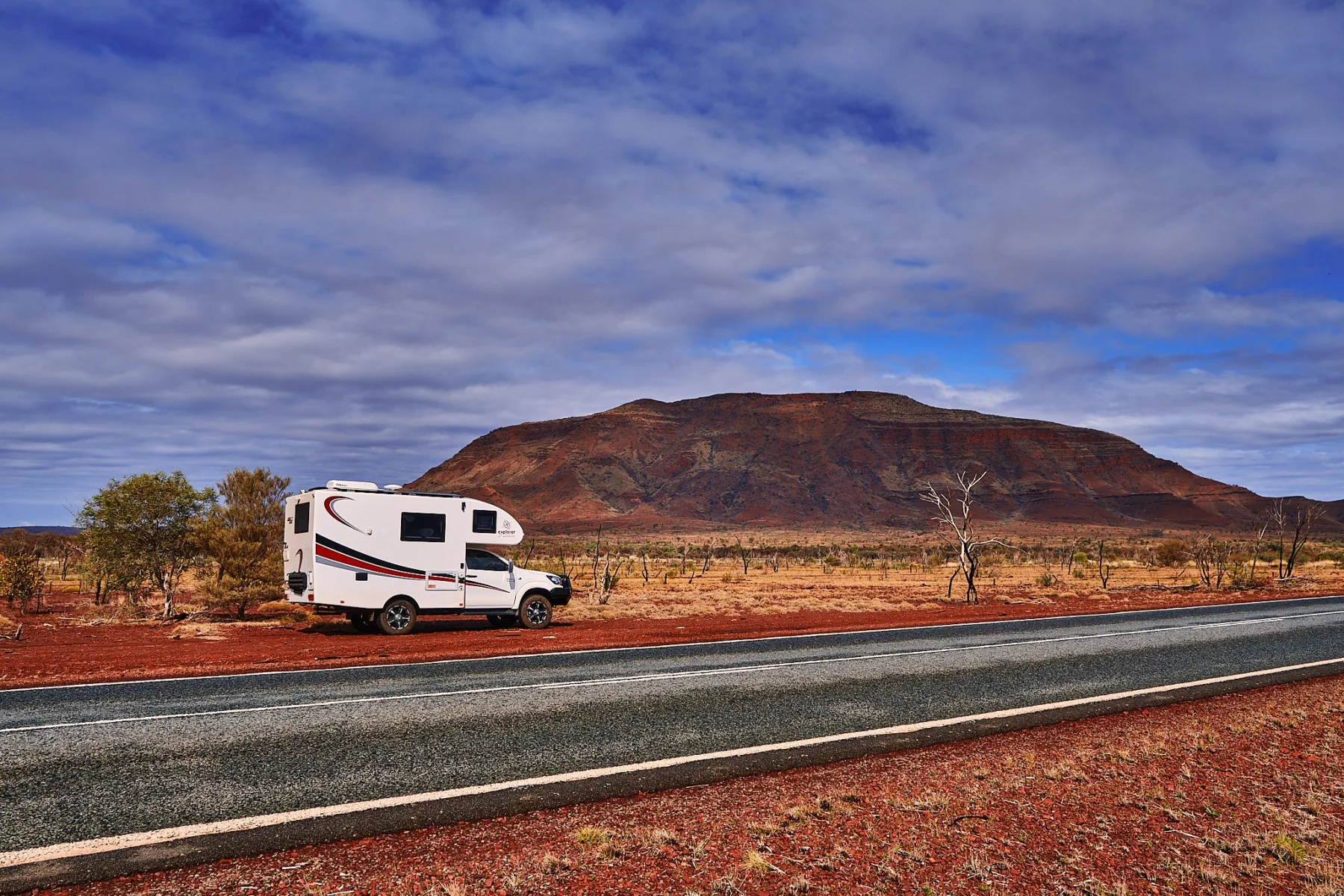
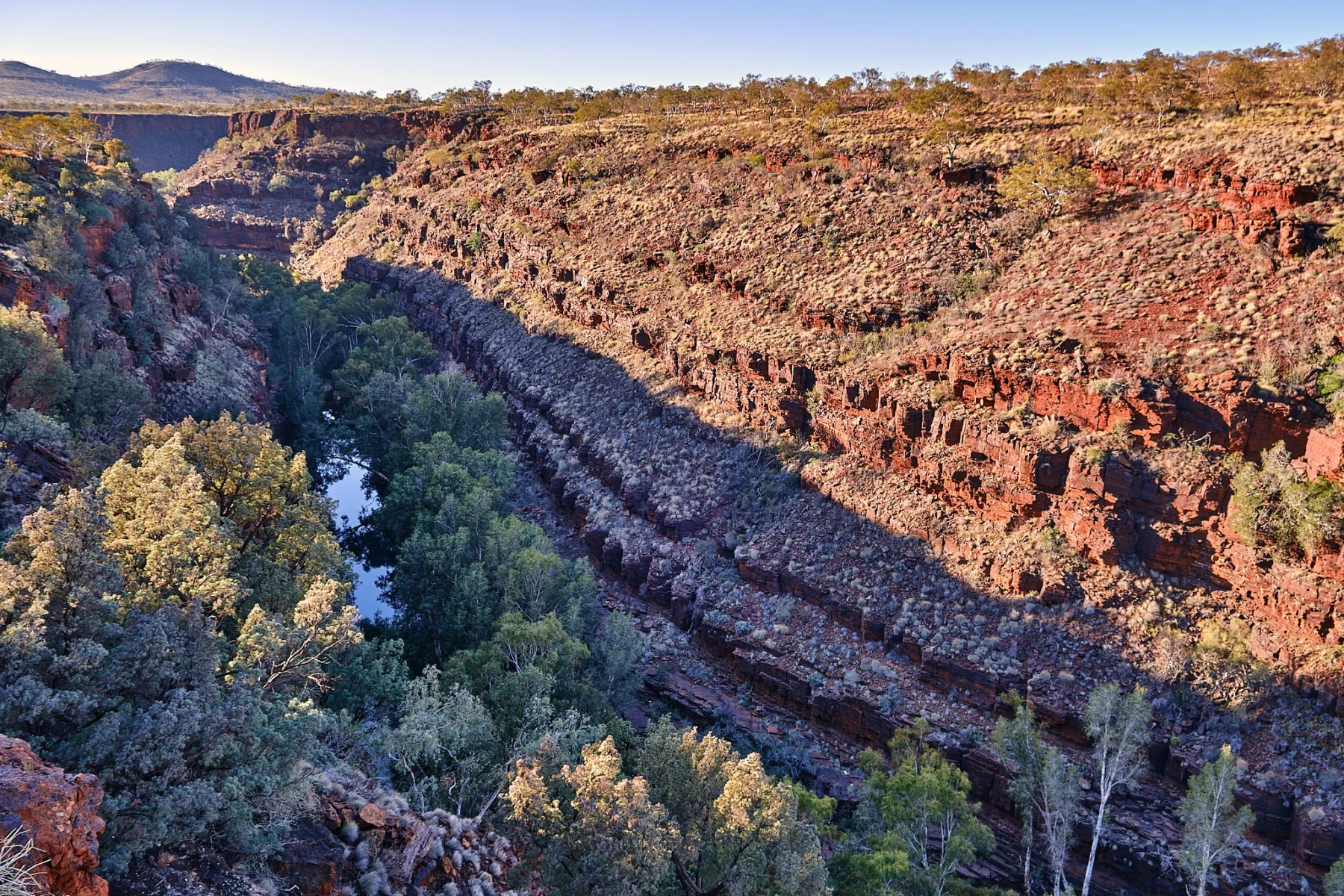
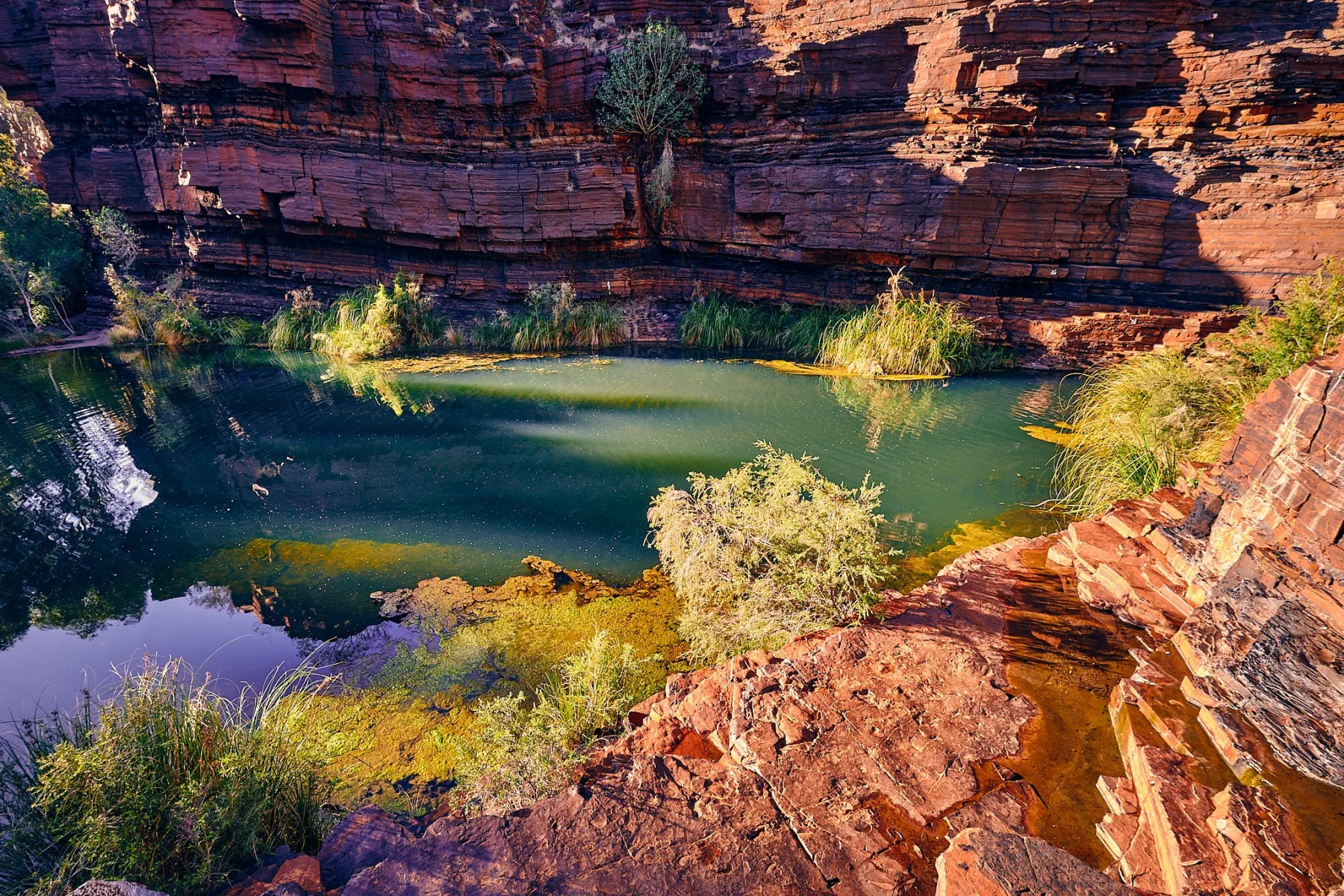
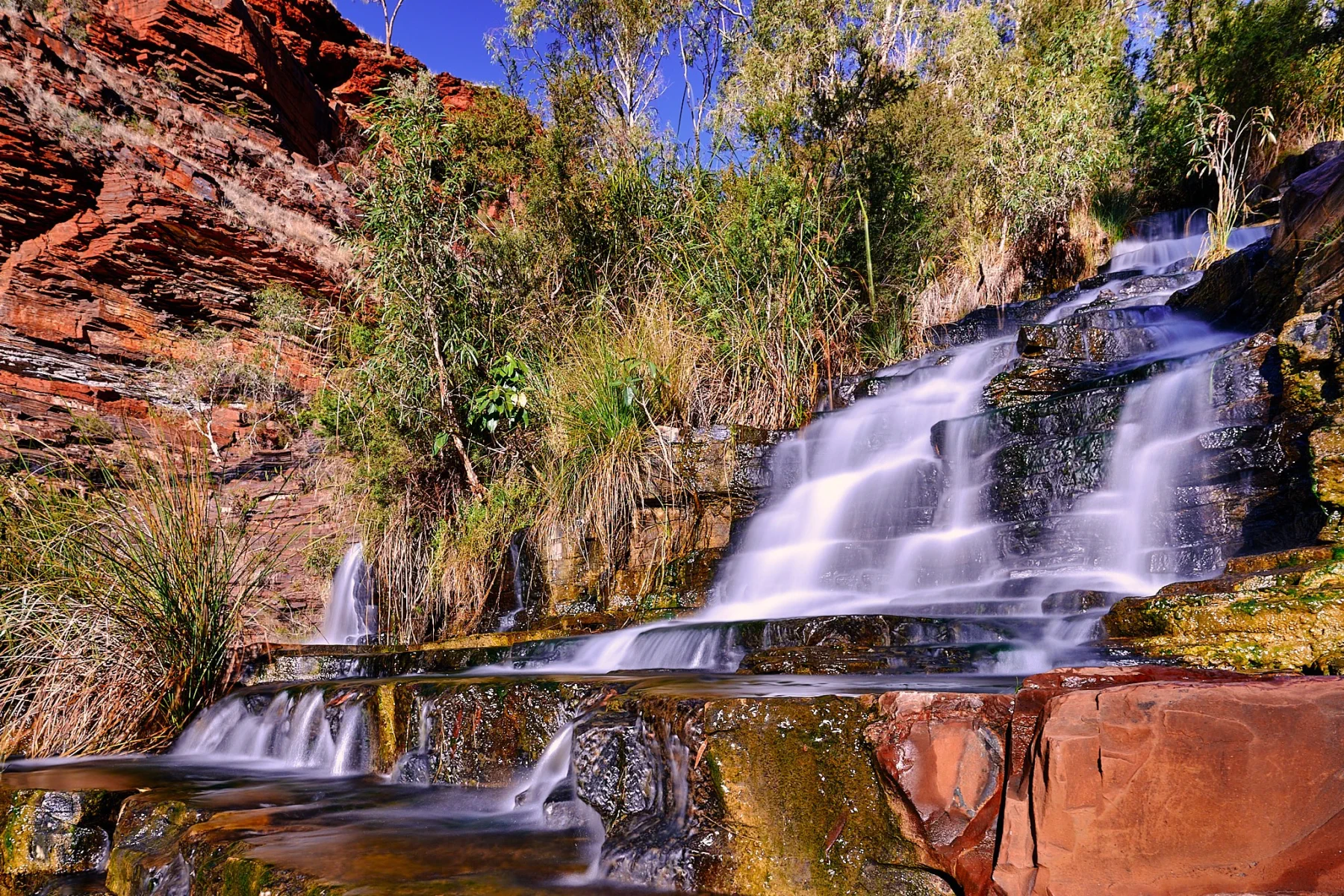
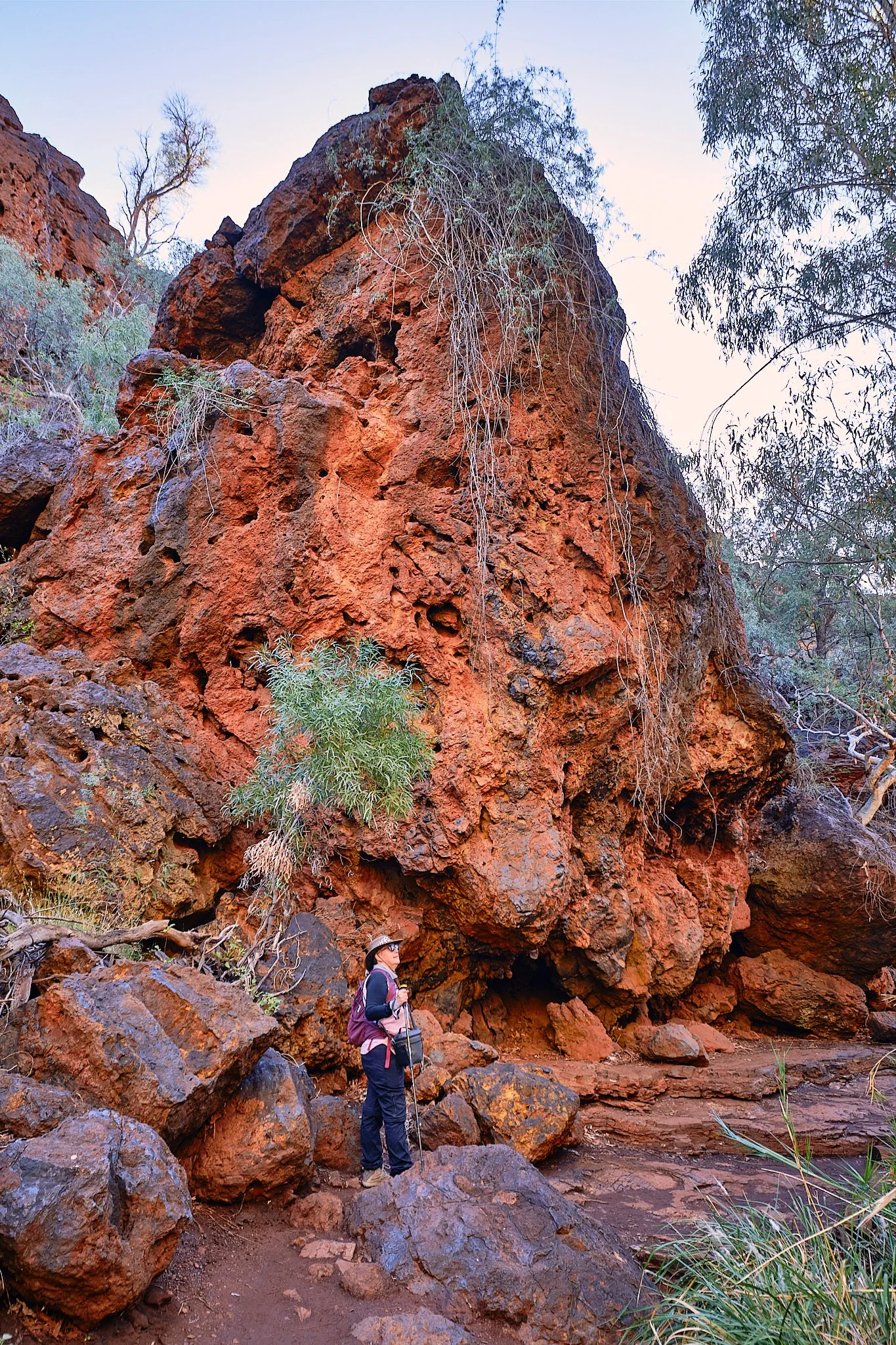
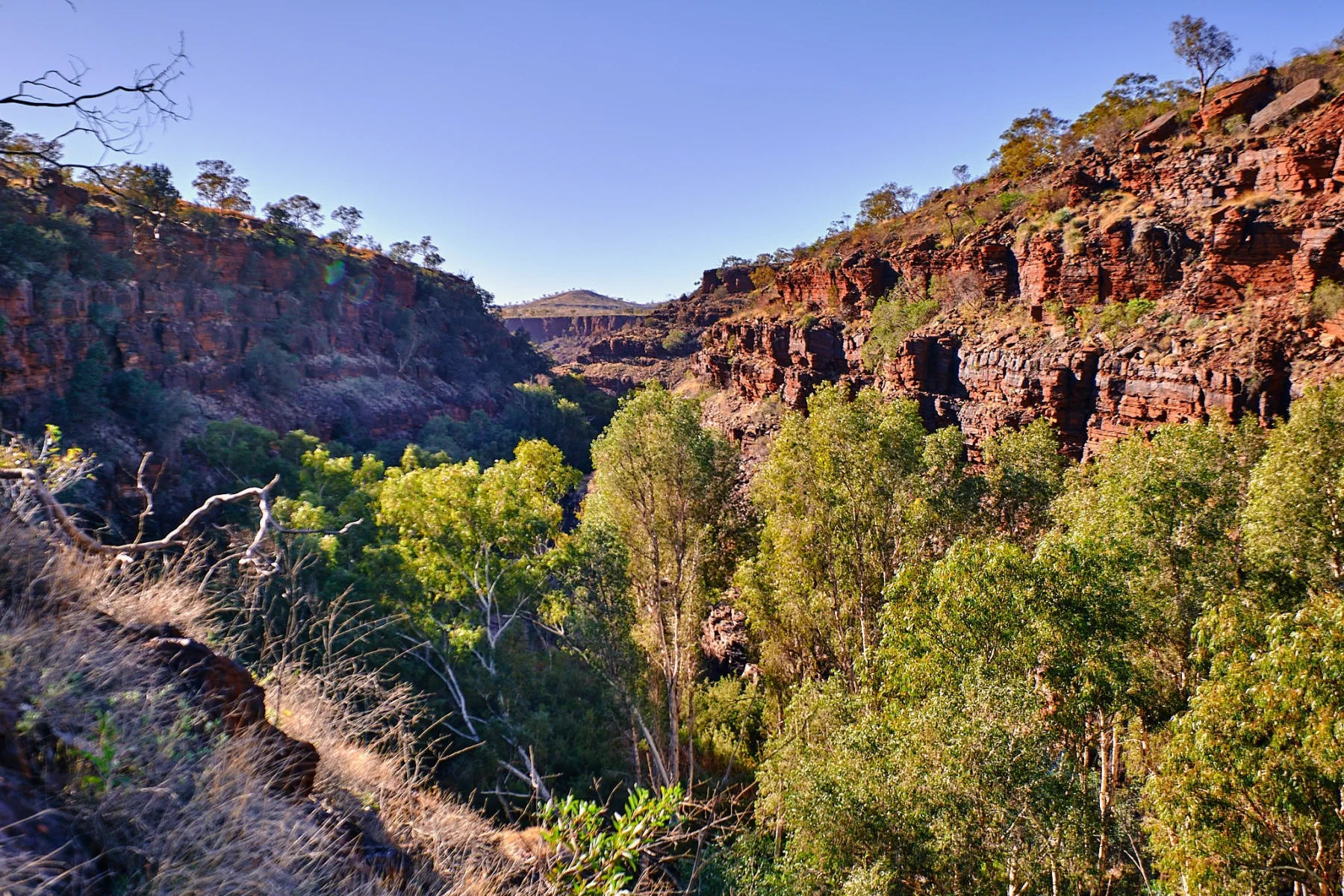
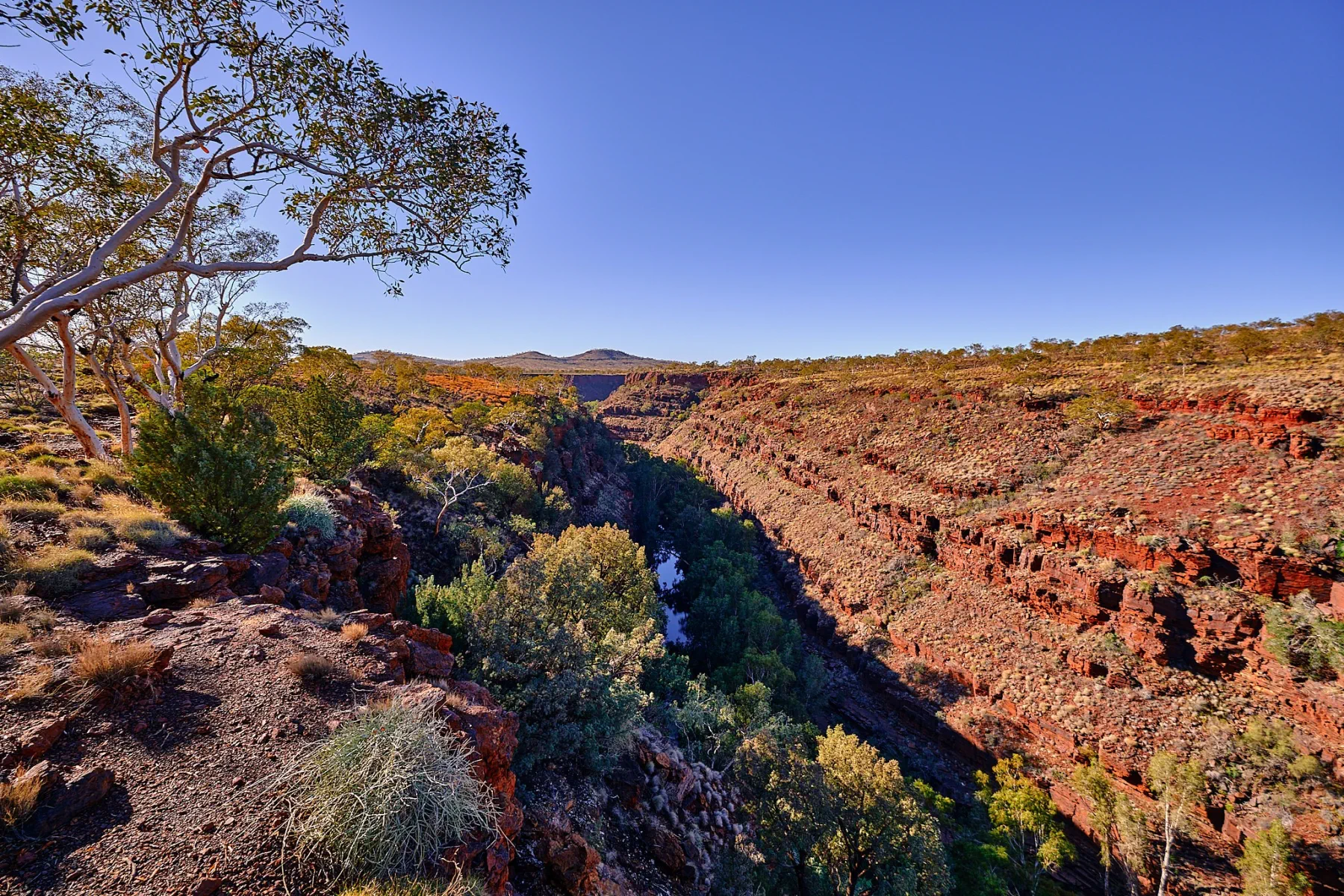
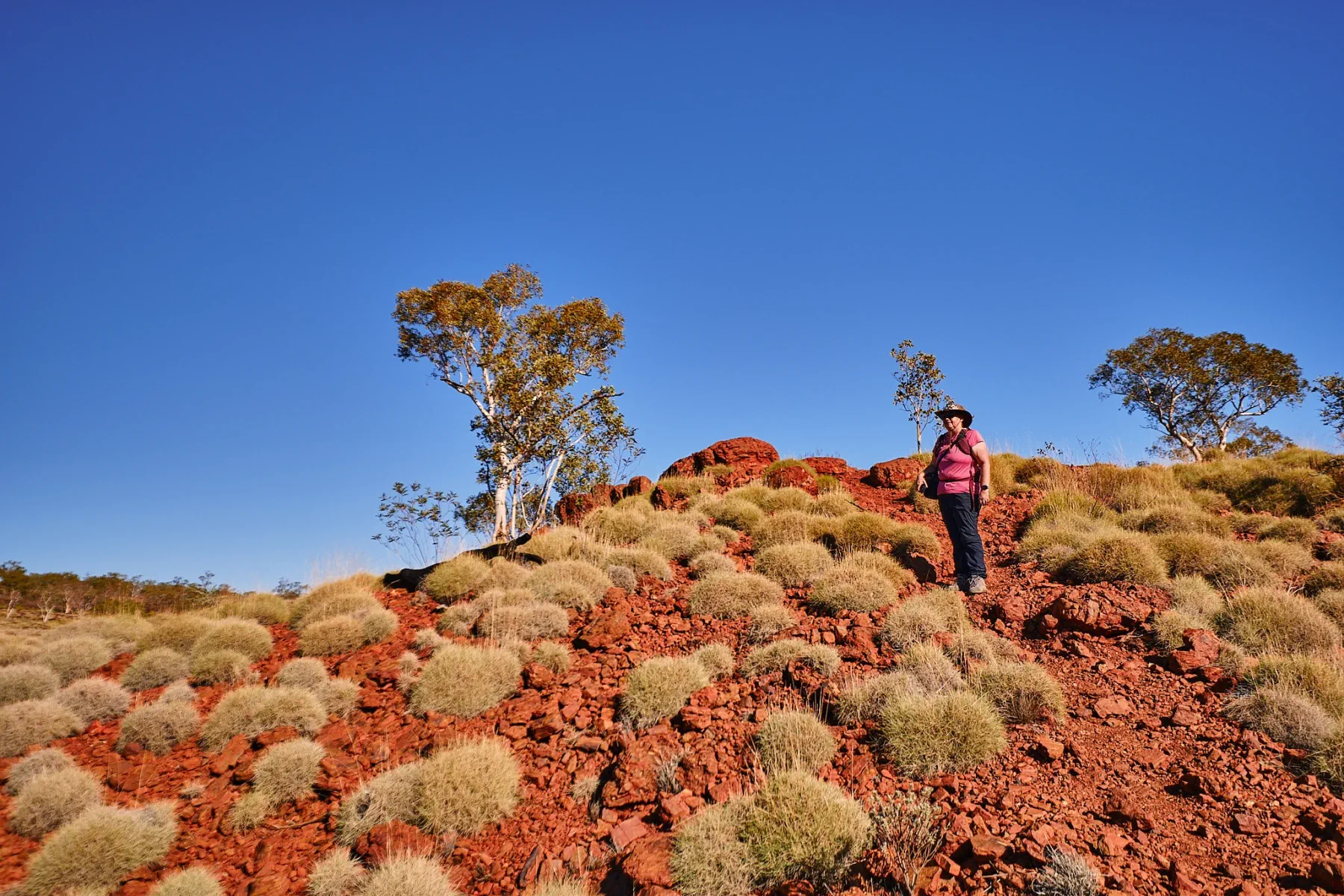
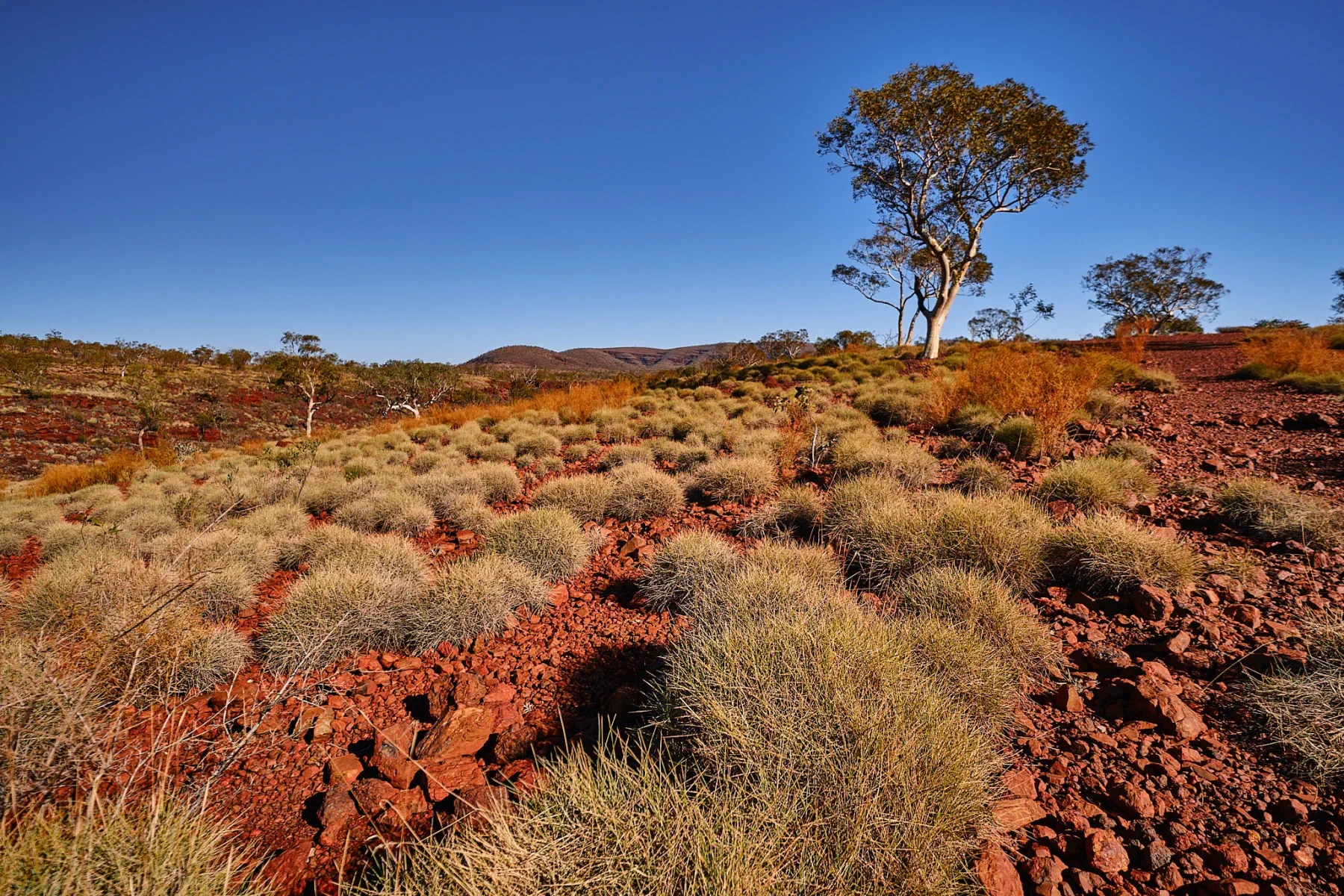
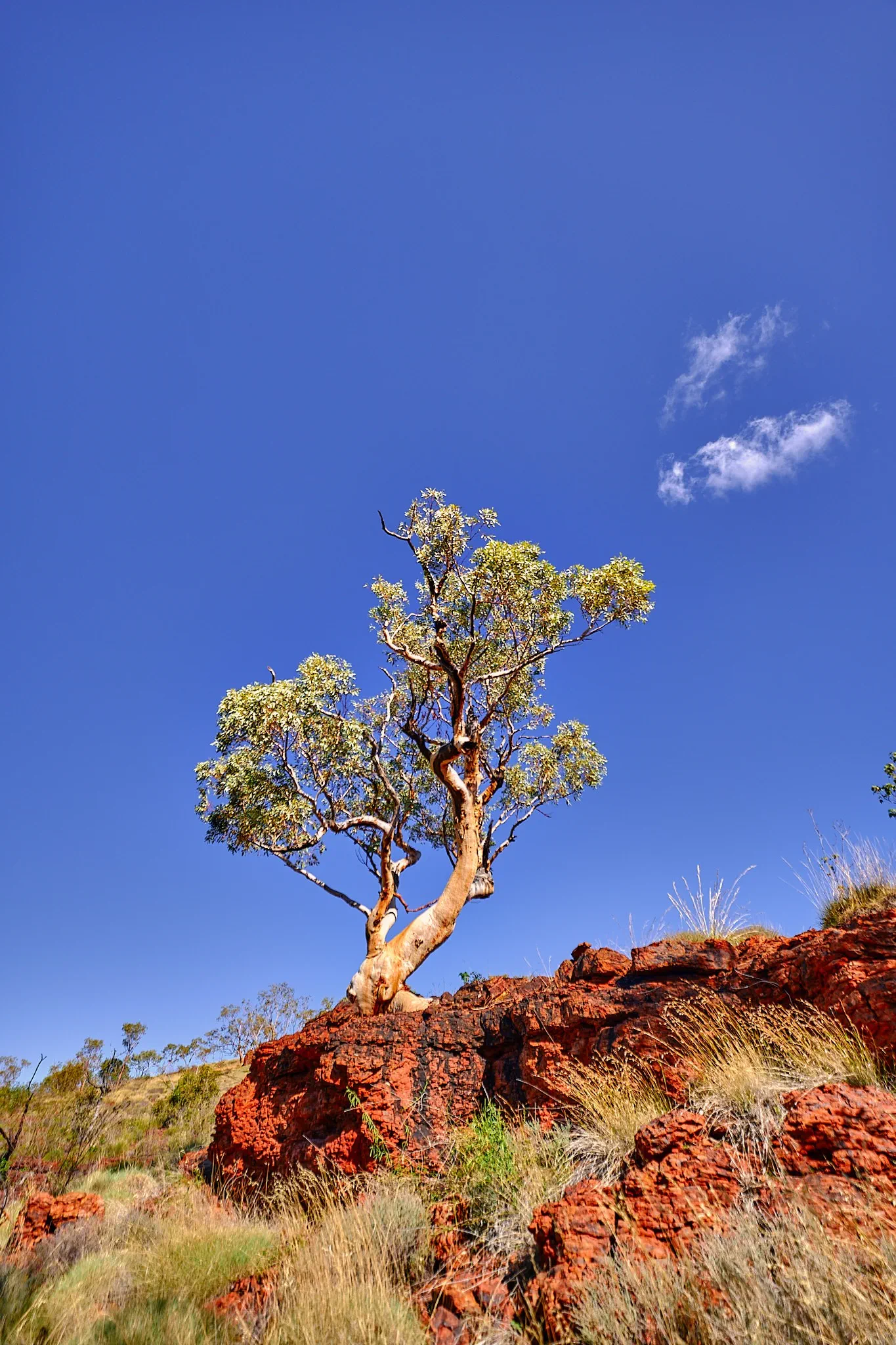
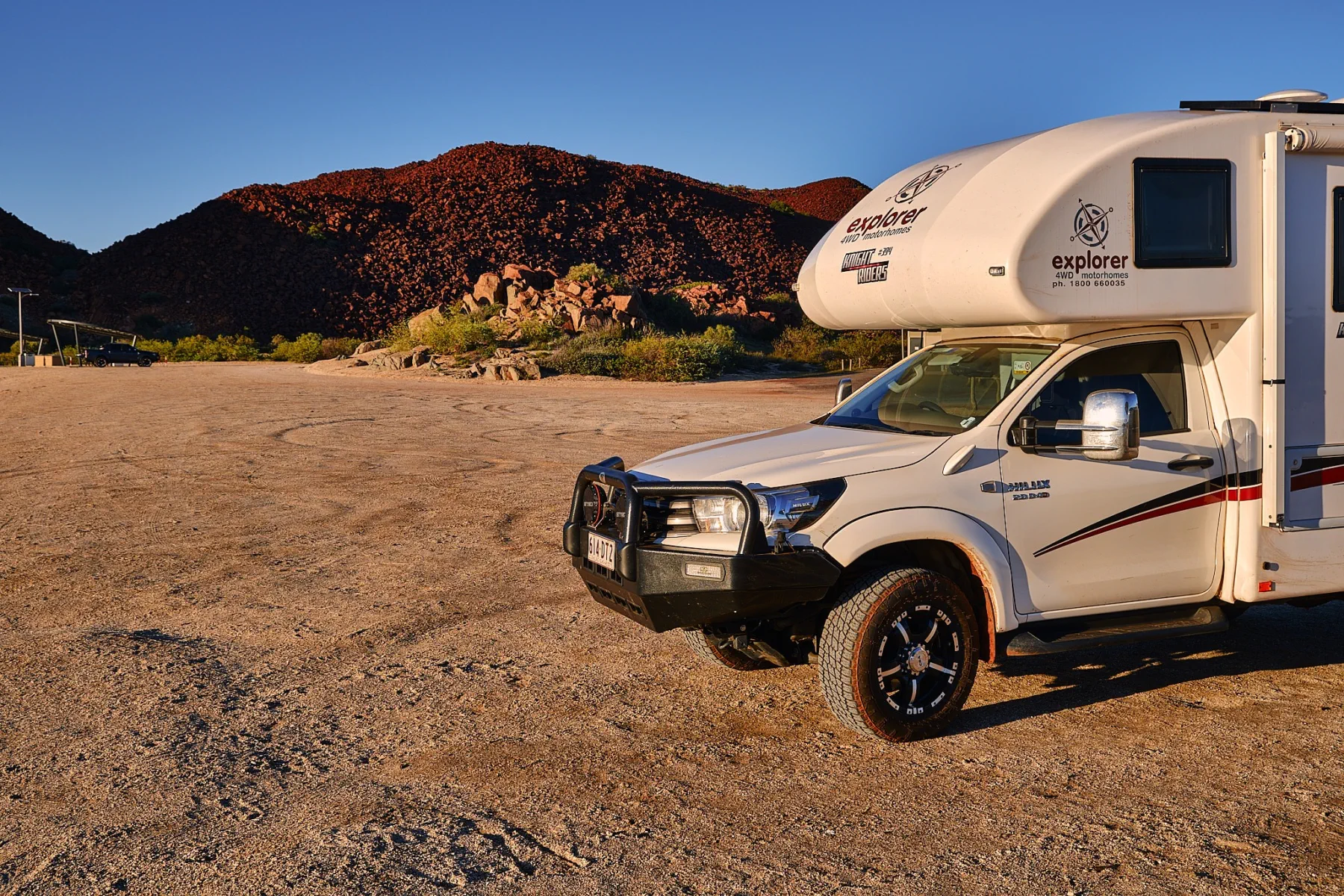
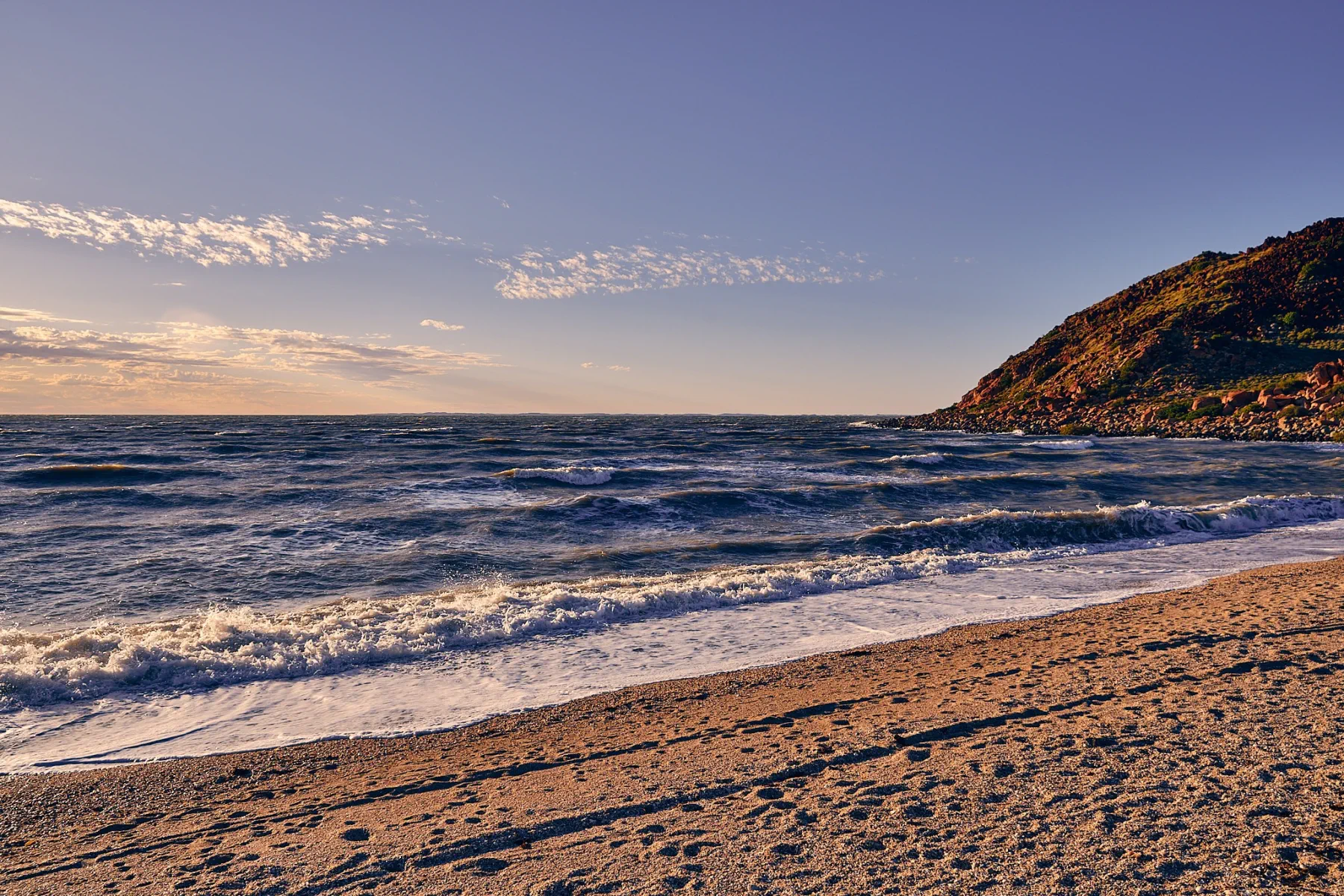
And here’s some of my favourite photos of the Pilbara landscape. Enjoy.

As Jean Paul Richter (apparently) said, “Man’s feelings are always purest and most glowing in the hour of meeting and of farewell.” I think that’s exactly why I’m writing this post.
← ← Previous · Contents · Next →